
Is a Multivitamin Enough for Memory, or Do You Need Something Else?
You already take a multivitamin, or you buy one for your father. Here is what it covers for memory, what the large trials actually measured, and what a brain formula adds on top.
Quick answer
It may cover more than you expect: in the COSMOS trials of adults over 60, a daily multivitamin modestly improved memory scores over two to three years. It does not contain the plant compounds brain formulas add, and it cannot rule out a low B12. Check that first, then decide whether to add or replace. Two formulas follow below.
There is already a multivitamin on your kitchen counter. You take it most mornings, without much thought. Lately, though, the names come a beat slower, the afternoon report takes two readings, and an ad for a memory supplement has started to look less like noise.
Or the bottle is your father’s. You filled his weekly pill box last Sunday, saw the multivitamin in its row, and wondered whether you should add something for the forgetting he laughs off. Either way, the question is the same, and it is a fair one: are you about to pay for something the multivitamin already covers?
This guide answers it in order: what a multivitamin is built to do, what the large trials in older adults measured, what to check before adding anything, and what a brain formula brings that a multivitamin does not.
Further down, we look at two formulas that answer the question in opposite ways: NeuroZoom and NeuroPrime — each with a money-back guarantee.
What Does A Multivitamin Actually Do?
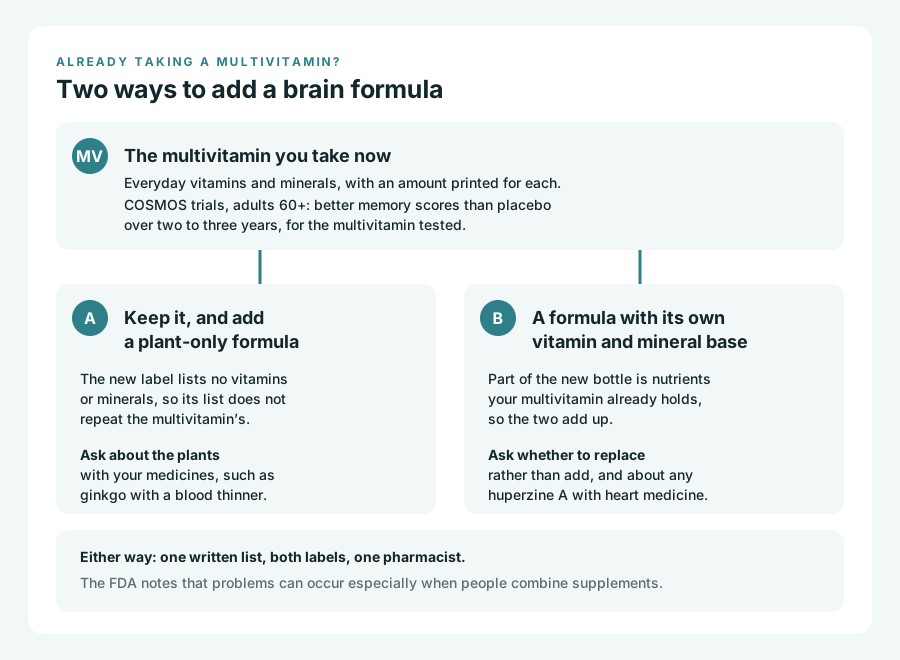
A multivitamin supplies the everyday vitamins and minerals — the B group, vitamin D, vitamin E, zinc, selenium and others — and its label prints an amount and a percentage of the daily value for each one. Its job is to fill the gaps your meals leave. It is not designed around memory.
A brain formula starts from the other end. It is built around compounds aimed at memory and focus, such as bacopa, ginkgo, lion’s mane or huperzine A, none of which is in a typical multivitamin. Some brain formulas stop there. Others also include their own vitamins and minerals, which makes part of the bottle a second multivitamin.
That difference is the whole decision. If you add a formula of the first kind, you are adding something new. If you add one of the second kind, part of what you are adding is something you already take, and the useful question becomes whether to replace rather than add.
What Did The Multivitamin Trials Find For Memory?
In older adults, a daily multivitamin modestly improved memory scores, and those are some of the largest memory trials behind anything in this aisle. They all come from COSMOS, a US trial of more than 21,000 adults aged 60 and older, which tested a daily multivitamin and a cocoa extract, each against a placebo.
COSMOS-Web, published in 2023 in The American Journal of Clinical Nutrition, gave memory tests online once a year to 3,562 older adults. The multivitamin group did better on immediate word recall at one year, the main question, and the difference held across all three years. The authors estimated the gain as roughly 3.1 years of typical age-related memory change. Two other measures, object recognition and executive function, did not differ.
COSMOS-Clinic, published in the same journal in 2024, tested 573 participants in person over two years. It found a modest benefit on overall thinking and a more favorable change in episodic memory, with no difference in executive function or attention. The same paper pooled the three COSMOS memory studies and found a benefit on global cognition equivalent to about two years of cognitive aging.
Two honest limits. These results belong to the multivitamin that was tested, at the amounts printed on its label, not to every multivitamin and not to any other product. And they were measured over two to three years, not weeks. Our guide to whether memory supplements actually work sets these trials beside the single-ingredient studies, row by row.
What Should You Check Before Adding Anything?
Three checks cost little and change the answer for many people over 50.
1. Ask whether your vitamin B12 has been tested
A multivitamin contains B12, but taking it is not the same as knowing your level. MedlinePlus, the National Library of Medicine’s health site, lists problems concentrating among the nerve-related signs of a long-running B12 deficiency, and names long-term metformin and long-term antacids and heartburn medicines among the causes. A blood test for your B12 level is how a doctor checks. Our articles on vitamins for brain fog over 60 and metformin and B12 cover the tests to ask for.
2. Write down everything you take, in one list
The FDA notes that problems can occur especially when people combine supplements, and that some ingredients can be harmful in high amounts, over long periods, or with certain medicines or foods. One list, with the multivitamin, any single vitamins, the prescriptions and the formula you are considering, is what a pharmacist needs to answer your question in a few minutes.
3. If it is for a parent, decide it with them
The list in step two is the parent’s list, and the pill box is theirs. Bring the multivitamin and the new label to their pharmacist together, and let them hear the answer. A formula that is added quietly to someone’s routine is one nobody can check later.
What Does A Brain Formula Add That A Multivitamin Does Not?
The compounds a brain formula adds have their own research, and it is more mixed than the multivitamin trials. Each was studied on its own, at amounts printed in the study. Here is what two of the common ones showed.
Bacopa: a 12-week trial in adults 40 to 70
In a 2025 trial in Clinical Drug Investigation, 101 adults aged 40 to 70 with self-reported memory and attention problems took 300 mg of bacopa extract a day for 12 weeks, or a placebo. On the main questions, verbal learning, attention and working memory, the two groups did not differ. The bacopa group reported greater drops in stress reactivity and less fatigue after a demanding task, along with more stomach complaints and headaches. Our guide to bacopa after 60 covers the wider research.
Huperzine A: a compound that acts on acetylcholine
Memorial Sloan Kettering Cancer Center describes huperzine A, from a club moss, as an acetylcholinesterase inhibitor: it slows the enzyme that breaks down acetylcholine, a chemical messenger involved in memory. That is how some prescription memory medicines work. Its summary describes the research as mixed. Because it acts on the body in that way, it is the ingredient to ask about first if you take heart or memory medicine.
Lion’s mane and ginkgo
Both appear often in brain formulas and neither is in a multivitamin. We cover their human research in lion’s mane or bacopa after 60. With ginkgo, the most practical fact for a reader over 60 is about medicines, and it is in the section on who should check first.
So a brain formula is not a stronger multivitamin. It is a different layer, with different evidence, and the two can sit side by side or overlap depending on what the second label contains.
What Should You Look For Before You Buy?
- Whether the label lists vitamins and minerals. If it does, it overlaps your multivitamin, and the question becomes replace or add.
- An amount for each ingredient, if matching the studies matters to you. It lets you and your pharmacist set the label beside the 300 mg of bacopa a trial used.
- The names to raise with your medicines. Ginkgo with a blood thinner; huperzine A with heart or memory medicine.
- A format you will keep taking. A capsule, a drop in your coffee, one more thing in the pill box. The trials ran for months.
- A refund window long enough to judge it. Note the guarantee and pick the week you will decide.
Which Formulas Could Replace Or Sit Beside A Multivitamin?
NeuroZoom is the formula that includes its own vitamin and mineral base. Its review groups its 35 ingredients into about nineteen everyday vitamins and minerals, among them selenium, zinc, iron, vitamin E and the B group; eleven compounds built around acetylcholine, including huperzine A, choline, bacopa and phosphatidylserine; and six botanical extracts. It contains no stimulants. No amount or serving size is published, and the maker describes one bottle as a one-month supply. Because of that base, it fits best in place of a multivitamin rather than next to one, and its comparison page sets it beside a daily multivitamin line by line. The guarantee runs 60 days.
NeuroPrime is the plant-only kind. It is a liquid with nine botanicals: moringa, pine bark, ginkgo, tamarind, lion’s mane, chlorella, bacopa, spirulina and neem. None of the nine names on its list is a vitamin or mineral, so the list does not repeat a multivitamin’s. The serving is one drop a day, taken directly or stirred into a drink, and it is stimulant-free. No amount is published for any ingredient; the 2 fl oz bottle is sold as a one-month supply. The guarantee runs 365 days.
As their reviews explain, neither label prints the amount of each ingredient, and there is no published trial on either exact combination.
Two formulas worth a closer look
Two formulas for readers who already think about a multivitamin
One can take the place of a multivitamin, the other sits beside it — each with a money-back guarantee.
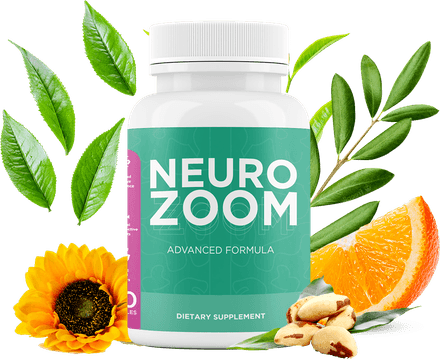
NeuroZoom
Capsules
A 35-in-1 capsule that combines a broad vitamin and mineral base with huperzine A, choline, bacopa and phosphatidylserine, plus six botanical extracts, with no stimulants.
- Readers who would rather replace a multivitamin than add to it
- Anyone who wants one capsule routine
Covered by a 60-day money-back guarantee
Before you start · Huperzine A is worth naming if you take a prescription memory medicine, medicine for glaucoma or anything for heart rhythm.
See NeuroZoom on the official siteRead our NeuroZoom review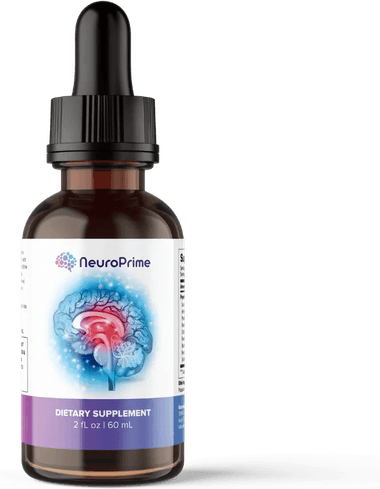
NeuroPrime
Drops
Nine botanicals in a dropper bottle, including lion’s mane, bacopa and ginkgo, with no vitamins or minerals on the list, taken as one drop a day.
- Readers who want to keep their multivitamin
- Anyone who would rather not swallow another capsule
Covered by a 365-day money-back guarantee
Before you start · Ginkgo is worth raising if you take a blood thinner; bacopa if you take thyroid medicine or a sedative.
See NeuroPrime on the official siteRead our NeuroPrime reviewListed in no particular order. We publish no scores or rankings.
Who Should Check Before Starting?
Take both labels, or photos of them, to your pharmacist or doctor if any of these apply.
- You take warfarin or another blood thinner. The NIH’s National Center for Complementary and Integrative Health notes that ginkgo may increase the risk of bleeding in people taking anticoagulants such as warfarin. MedlinePlus lists ginkgo among the products that may interact with warfarin, notes that vitamin K can affect how it works, and asks people on it to tell their doctor and pharmacist about every vitamin and supplement.
- You take a prescription memory medicine, such as donepezil, galantamine or rivastigmine. Memorial Sloan Kettering advises avoiding huperzine A with these acetylcholinesterase inhibitors.
- You take a beta-blocker or a calcium channel blocker. Memorial Sloan Kettering lists both among the medicines to avoid with huperzine A, and a slow heart rate among its side effects. The NeuroZoom review also names medicine for glaucoma and anything for heart rhythm.
- You take thyroid medicine or a sedative. The NeuroPrime review names bacopa as the ingredient to mention with either.
- You take metformin or a heartburn medicine long term. MedlinePlus names both among the causes of low B12, so ask about a B12 test whatever you decide about a formula.
If you take several medicines, our checklist for several medicines shows what to bring. Never stop, reduce or change a prescription to make room for a supplement.
When Should You See A Doctor?
Book an appointment if changes in memory or thinking begin to affect work or daily life, if they came on suddenly, or if someone close to you has noticed them. A slower name now and then is common in your fifties and sixties. If you are buying for a parent, the same signs apply to them, and the appointment comes before any new bottle.
Mention numbness or tingling in the hands or feet, or trouble with balance, too: MedlinePlus lists both among the nerve-related signs of a long-running B12 deficiency, which a blood test can check.
Ready to compare? Go back to the two formulas above, or read the full reviews of NeuroZoom and NeuroPrime.
Frequently asked
Is a multivitamin enough for brain fog?
It may be part of the answer, not all of it. In the COSMOS trials, older adults on a daily multivitamin did better on memory tests than those on a placebo, over two to three years. A multivitamin cannot tell you whether you are low in vitamin B12, though, and fog has many causes, from sleep to medicines. A blood test and a talk with your doctor come first.
Does a multivitamin help memory in elderly people?
In one large program of trials, yes, modestly. In COSMOS-Web, 3,562 older adults who took a daily multivitamin had better immediate word recall than the placebo group at one year, and the difference held over three years. A 2024 analysis of three COSMOS studies found a benefit on overall thinking and memory. The result belongs to the multivitamin that was tested.
Can I take a brain supplement with my multivitamin?
Often, but check the two labels together first. If the brain formula has its own vitamins and minerals, the two add up, and the FDA notes that problems can occur when you combine supplements. If it is made only of plants, the overlap question is smaller, and the plants themselves are what to ask about with your medicines. A pharmacist can answer both in a few minutes.
What is the difference between a multivitamin and a brain supplement?
A multivitamin supplies everyday vitamins and minerals, with an amount and a percentage of the daily value printed for each. A brain supplement usually adds compounds a multivitamin does not contain, such as bacopa, ginkgo, lion’s mane or huperzine A. Some brain formulas also include a vitamin and mineral base, which is where they overlap a multivitamin.
Should I buy a memory supplement for my dad if he already takes a multivitamin?
Decide it with him, not for him. Bring his multivitamin, his prescriptions and the label of the formula you are considering to his pharmacist or doctor. If he takes a blood thinner, heart medicine or a prescription memory medicine, ask specifically about ginkgo and huperzine A. If his memory is changing quickly, book an appointment before buying anything.
How long should I give a brain supplement on top of a multivitamin?
Plan on weeks, not days. The multivitamin trials measured change over two to three years, and the bacopa trial described here ran 12 weeks. A fair first window to judge how a formula fits your routine is 4 to 12 weeks. Check the guarantee length before you start, and pick the week you will decide.
References
- Multivitamin Supplementation Improves Memory in Older Adults: A Randomized Clinical Trial — The American Journal of Clinical Nutrition — 2023
- Effect of multivitamin-mineral supplementation versus placebo on cognitive function: results from the clinic subcohort of the COcoa Supplement and Multivitamin Outcomes Study (COSMOS) randomized clinical trial and meta-analysis of 3 cognitive studies within COSMOS — The American Journal of Clinical Nutrition — 2024
- Vitamin B12 deficiency anemia — MedlinePlus, National Library of Medicine — 2026
- FDA 101: Dietary Supplements — U.S. Food and Drug Administration — 2022
- The Effects of a Bacopa monnieri Extract (Bacumen®) on Cognition, Stress, and Fatigue in Healthy Adults: A Randomized, Double-Blind, Placebo-Controlled Trial — Clinical Drug Investigation — 2025
- Huperzia serrata — Memorial Sloan Kettering Cancer Center, About Herbs — 2022
- Ginkgo — NIH National Center for Complementary and Integrative Health — 2025
- Warfarin — MedlinePlus Drug Information, National Library of Medicine — 2026
Disclosure
All content is for informational purposes only and is not a substitute for professional medical advice, diagnosis, or treatment. Each product covered is a dietary supplement, not a prescription drug, and statements about it have not been evaluated by the U.S. Food and Drug Administration. Results vary with individual health status, consistency of use, and lifestyle. This page contains affiliate links — if you buy through them we may earn a small commission at no additional cost to you. Read our disclosure and our editorial policy.