
Forgetting Names at 60: Is It Normal, the Tricks That Help, and Where Supplements Fit
You know the face, you know the family, and the name will not come. It is a familiar lapse, and a well-understood one. Here is why it happens, what helps, and where a supplement can sit alongside it.
Quick answer
Usually, yes. Recall slows with age, and Harvard Health notes that brief memory blocks explain much of older adults’ trouble with names. Repeat a new name, link it to something, and write it down. Sleep and activity help too. See a doctor if memory changes affect daily life or are getting worse. If you want to try one, two formulas to pair with the name tricks are compared below.
You see her across the church hall every Sunday. You know her husband, her dog, the grandson who moved to Denver. And as she walks toward you with a smile, the one thing you need — her name — is simply not there.
You get through it. You say “Hello, you!” with extra warmth, and the name arrives twenty minutes later in the parking lot. But it happens more often than it used to, at the book club, with the new neighbors, with the grandchildren’s friends. And you have started to wonder whether it means something.
Here is what the research says about why names slip, the simple tricks that help, and what a supplement can and cannot do.
Further down, we look at two formulas to pair with the name tricks: Brain C-13 and MemoryFuel — each with a money-back guarantee.
Is It Normal To Forget Names At 60?
For most people, yes. The National Institute on Aging explains that as people grow older, some notice they do not remember information as well as they once did, and cannot recall it as quickly. These usually are signs of mild forgetfulness, not a serious memory problem. It lists “sometimes forgetting which word to use” as part of normal aging.
Mayo Clinic opens its memory advice with exactly this scene — not being able to remember the name of someone you liked — and a reminder that everyone forgets things once in a while.
How you think about it matters, too. Harvard Health Publishing notes that middle-aged and older learners do worse on memory tasks when they are exposed to negative stereotypes about aging, and better when the messages are positive. A lost name at the church door is not a verdict.
Why Do Names Slip First?
Most lost names come from blocking, one of seven kinds of normal memory lapse Harvard Health Publishing describes: the answer is on the tip of your tongue, you know that you know it, and you still cannot reach it. Often a similar memory — another name, another face — gets in the way.
Scientists think memory blocks become more common with age, and that they account for the trouble older people have remembering other people’s names. The same article offers some comfort: people retrieve about half of blocked memories within a minute.
That is why the name so often turns up a little later, once the conversation has moved on. The memory was still there; the way to it was briefly crowded.
A second kind is absentmindedness — the name never went in properly. “Many times we forget a name because we didn’t notice it being said or don’t make an effort to try to remember it,” says Lydia Cho, a neuropsychologist at Harvard-affiliated McLean Hospital. At a busy gathering, with coats and introductions and noise, that is easy to do.
How Can You Make A Name Stick?
The good news about absentmindedness is that it responds to technique. These come from Harvard Health Publishing and Mayo Clinic, and they cost nothing.
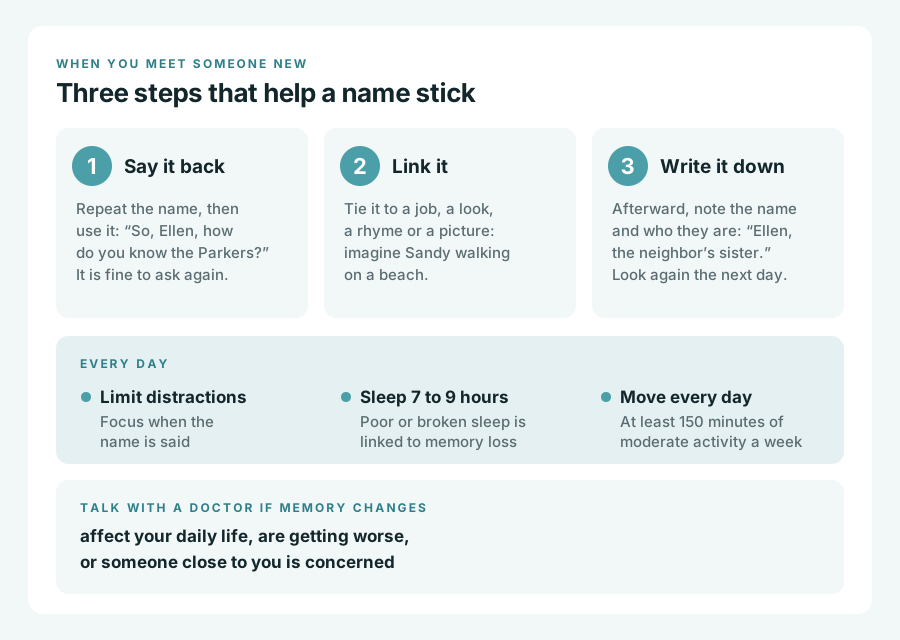
1. Say it back, and use it
Mayo Clinic advises repeating new information, such as names and numbers, several times when you first try to learn it. Harvard Health Publishing suggests using the name right away in the conversation — its example is “So, John, where did you meet Camille?” — and not hesitating to ask for a name to be repeated.
2. Link it to something you already know
Cho suggests linking the name immediately to something that can trigger recall later: the person’s appearance or job, someone else with the same name, a rhyme, a song or an image. Her example is picturing someone named Sandy on a beach, in as much detail as you can.
3. Write it down
Afterward, note the name and how you know the person — “Ellen, the neighbor’s sister” — in your phone or a small notebook kept for things you want to remember, as Cho suggests.
4. Space it out
Harvard Health Publishing notes that repetition works best when it is spaced: going back to what you want to learn after longer and longer gaps, rather than many times in a row. Glancing at your notebook later that day, and again the next morning, puts that into practice.
Which Everyday Habits Help You Remember Names?
Tricks work better on a well-rested, focused brain. Mayo Clinic’s memory advice includes several habits that sit underneath every name you learn:
- Limit distractions. Don’t do too many things at once; information you focus on is more likely to be recalled later.
- Sleep 7 to 9 hours a night. Too little sleep, and sleep that is often disturbed, have been linked to memory loss. Snoring that disrupts sleep is worth mentioning to your healthcare team.
- Move every day. Mayo Clinic cites the federal recommendation of at least 150 minutes a week of moderate activity, such as brisk walking.
- Spend time with others. Social contact helps ward off depression and stress, and both can contribute to memory loss.
- Look after hearing and other health conditions. Mayo Clinic lists hearing loss alongside high blood pressure and diabetes among the conditions worth managing with your healthcare team — and a name you did not hear clearly is hard to keep.
What Supplements Have Been Studied For Forgetfulness?
Several ingredients in memory formulas have been studied for memory in older adults, and it is worth knowing exactly what those studies measured, and in whom.
Citicoline. In a 2021 trial in The Journal of Nutrition, 100 healthy adults aged 50 to 85 with age-related memory complaints took 500 mg a day or a placebo for 12 weeks. The citicoline group improved more on episodic memory — the memory for events and the people in them — though the main test, of spatial memory, showed no difference. The study was funded by a citicoline maker.
Phosphatidylserine. A 2022 meta-analysis of nine studies found a positive effect on memory in older adults with cognitive decline, at 100 to 300 mg a day for six weeks to six months.
Vitamin B12. The National Institute on Aging lists low levels of nutrients such as vitamin B12 among the causes of memory problems, and the NIH Office of Dietary Supplements notes that between 3% and 43% of older adults living at home are deficient, depending on the definition. But a 2021 meta-analysis of 16 trials found that B12 did not improve cognitive function in people without a deficiency or advanced neurological disease. Its value depends on whether you are low.
Creatine and choline. A 2023 meta-analysis in Nutrition Reviews found the clearest memory effect of creatine in adults aged 66 to 76; the trials were few and small. When the authors re-ran the analysis with a corrected method, the overall effect across all ages was no longer significant, and the result in older adults held. Choline is a nutrient the body uses to make acetylcholine, a messenger important for memory, and most people in the United States eat less than the recommended amount.
If you take several medicines, our memory supplement checklist shows what to bring.
What Should You Look For Before You Buy?
If you have decided a formula is worth trying, these are the things to confirm before you order.
- Ingredients studied in older adults for memory. The research above names which ones were tested in people over 50, and what those trials measured.
- A published amount for each ingredient. It lets your pharmacist read the label against those trials.
- A formula that fits alongside the name tricks. Supplements, if you try one, sit next to the habits above — they do not replace them.
- A guarantee long enough to judge it. Plan on weeks to months, and check the refund terms before you order.
- A clear answer on your medicines. Take the label to your pharmacist first.
Which Formulas Could Fit Alongside The Name Tricks?
If you have started on the tricks and want a formula alongside them, two on this site are built from the ingredients above. Brain C-13 publishes a Supplement Facts panel listing citicoline 250 mg and phosphatidylserine 100 mg, with bacopa, rhodiola, turmeric and rosemary; its review explains why you should read the panel on the bottle that arrives. MemoryFuel is a daily powder with vitamin B12, choline, creatine, vitamin D3 and magnesium, with no amounts published; its comparison page looks at which of those nutrients you may already get from food.
Two formulas worth a closer look
Two formulas to pair with the name tricks
If you want a formula alongside the habits above, these two are built on ingredients with memory research in older adults — each with a money-back guarantee.
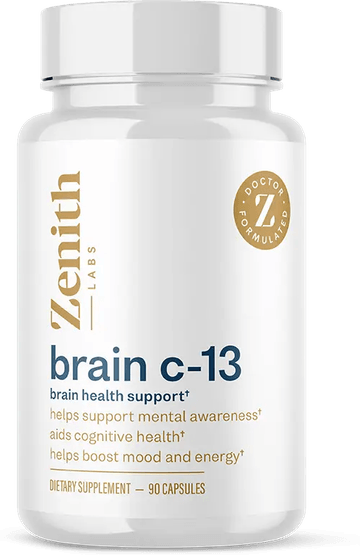
Brain C-13
Capsules
From Zenith Labs, a named company, with a published panel listing citicoline 250 mg and phosphatidylserine 100 mg — two ingredients with memory research in older adults — plus bacopa, rhodiola, turmeric and rosemary.
- Readers who want to see amounts on the label
- Anyone who wants citicoline and phosphatidylserine in one capsule
Covered by a 180-day money-back guarantee
Before you start · Huperzine A, named on the sales page, matters with cholinesterase inhibitors and heart-rate medicines; turmeric with a blood thinner.
See Brain C-13 on the official siteRead our Brain C-13 review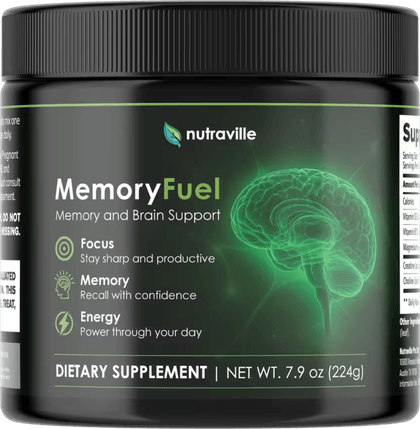
MemoryFuel
Powder
One scoop a day in water, combining vitamin B12 and choline with creatine, whose memory research found its clearest result in adults aged 66 to 76, plus vitamin D3 and magnesium.
- Readers who would rather drink than swallow capsules
- Diets light on meat and fish
Covered by a 90-day money-back guarantee
Before you start · With kidney disease, ask about creatine and magnesium first. Magnesium needs spacing from some antibiotics and osteoporosis tablets.
See MemoryFuel on the official siteRead our MemoryFuel reviewListed in no particular order. We publish no scores or rankings.
Who Should Check Before Starting?
Anyone taking the medicines below should take the label, or a photo of it, to a pharmacist. These are the medicine types reference sources flag for ingredients in the two formulas above:
- Cholinesterase inhibitors, such as donepezil, or medicines that slow the heart rate. Brain C-13’s sales page names huperzine A, which Memorial Sloan Kettering notes may increase side effects with drugs that work the same way and may lower heart rate with calcium channel blockers or beta blockers.
- Blood thinners. Brain C-13’s panel lists turmeric, which Memorial Sloan Kettering notes may increase the risk of bleeding with warfarin or other blood thinners.
- Thyroid hormone. Brain C-13 lists bacopa, which a StatPearls review notes may lead to too much thyroid hormone when combined with it.
- Osteoporosis tablets or some antibiotics. MemoryFuel contains magnesium; the NIH Office of Dietary Supplements advises spacing it at least 2 hours from bisphosphonates, and taking certain antibiotics 2 hours before or 4 to 6 hours after it.
- Metformin or acid reducers. The same office notes both can lower vitamin B12 over time — useful for your doctor to know when deciding whether to check your levels.
The FDA advises bringing a list of every supplement and medicine you take to each visit. Never stop, reduce or change a prescription to make room for a supplement.
When Should You See A Doctor About Forgetting Names?
The National Institute on Aging suggests talking with a doctor if you notice signs such as asking the same questions over and over, getting lost in places you know well, having trouble following recipes or directions, or becoming more confused about time, people and places. A name that arrives twenty minutes late is not the same as a change in how you manage your day.
Mayo Clinic adds that it is particularly important to get help if memory loss affects your daily activities, if it is getting worse, or if a family member or friend is concerned. And if lapses began after a hard stretch — a retirement, a loss — the institute notes they often ease as the stress does, but are worth raising if they last beyond a few weeks.
Ready to compare? Go back to the two formulas above, or read the full reviews of Brain C-13 and MemoryFuel.
Frequently asked
Is it normal to forget names at 60?
Usually, yes. The National Institute on Aging explains that many people notice they do not recall information as quickly as they once did, and that this is usually mild forgetfulness rather than a serious memory problem. Harvard Health Publishing notes that memory blocks become more common with age and account for much of the trouble older people have with names.
Why does a name feel like it is on the tip of my tongue?
Harvard Health Publishing calls it blocking: you know that you know the answer, but cannot reach it for the moment. Often a similar memory gets in the way. The same article notes that people retrieve about half of blocked memories within a minute, so it can help to let the conversation move on for a moment.
How can I get better at remembering names?
Pay attention when the name is said, then repeat it back and use it in the conversation. Link it to something about the person, such as their job or a rhyme, and write it down afterward with who they are. Mayo Clinic also advises limiting distractions, sleeping 7 to 9 hours and staying physically active.
Are there supplements that help you remember names?
Some ingredients in memory formulas have memory research in older adults: citicoline improved episodic memory in a 2021 trial in adults 50 to 85, and creatine’s clearest memory result was in adults 66 to 76. Vitamin B12 helps memory mainly when levels are low. Ask your doctor before starting any of them.
When is forgetting names a reason to see a doctor?
The National Institute on Aging lists signs such as asking the same questions over and over, getting lost in familiar places, trouble following directions or recipes, and growing confusion about time, people and places. Mayo Clinic adds memory loss that affects daily activities, gets worse, or worries a family member or friend.
References
- Memory Problems, Forgetfulness, and Aging — National Institute on Aging — 2023
- Memory loss: 7 tips to improve your memory — Mayo Clinic — 2026
- Forgetfulness — 7 types of normal memory problems — Harvard Health Publishing — 2021
- Managing memory slip-ups — Harvard Health Publishing — 2022
- 7 ways to keep your memory sharp at any age — Harvard Health Publishing — 2020
- Citicoline and Memory Function in Healthy Older Adults: A Randomized, Double-Blind, Placebo-Controlled Clinical Trial — The Journal of Nutrition — 2021
- Effect of phosphatidylserine on cognitive function in the elderly: A systematic review and meta-analysis — Korean Journal of Food Science and Technology — 2022
- Effects of Vitamin B12 Supplementation on Cognitive Function, Depressive Symptoms, and Fatigue: A Systematic Review, Meta-Analysis, and Meta-Regression — Nutrients — 2021
- Effects of creatine supplementation on memory in healthy individuals: a systematic review and meta-analysis of randomized controlled trials — Nutrition Reviews — 2023
- Commentary: The effects of creatine supplementation on cognitive function in adults: a systematic review and meta-analysis — Frontiers in Nutrition — 2026
- Vitamin B12: Fact Sheet for Health Professionals — NIH Office of Dietary Supplements — 2025
- Choline: Fact Sheet for Health Professionals — NIH Office of Dietary Supplements — 2022
- Magnesium: Fact Sheet for Health Professionals — NIH Office of Dietary Supplements — 2026
- Huperzia serrata (Huperzine A) — Memorial Sloan Kettering Cancer Center, About Herbs — 2022
- Turmeric — Memorial Sloan Kettering Cancer Center, About Herbs — 2026
- Bacopa monnieri — StatPearls, NCBI Bookshelf — 2023
- Mixing Medications and Dietary Supplements Can Endanger Your Health — U.S. Food and Drug Administration — 2022
Disclosure
All content is for informational purposes only and is not a substitute for professional medical advice, diagnosis, or treatment. Each product covered is a dietary supplement, not a prescription drug, and statements about it have not been evaluated by the U.S. Food and Drug Administration. Results vary with individual health status, consistency of use, and lifestyle. This page contains affiliate links — if you buy through them we may earn a small commission at no additional cost to you. Read our disclosure and our editorial policy.