
Food or Capsule for Memory After 60? The MIND Diet, Berries, “Anti-Inflammatory” Claims, and Pine Bark, Grape Seed and Olive Leaf
You eat well, and you have heard that inflammation matters for the brain. Here is what the diet and berry trials found, what “anti-inflammatory” means on a label — and which medicines to mention first.
Quick answer
Food and extracts answer different questions. In a three-year trial, the MIND diet improved thinking scores about as much as a control diet. Berry trials in older adults report some memory gains. The “anti-inflammatory” case for extracts rests mostly on lab work and blood markers; of pine bark, grape seed and olive leaf, pine bark has the one trial in healthy adults over 60. Ask first if you take a blood thinner. Two formulas are compared below.
You already eat well, or close to it. Leafy greens most days, berries in the morning, olive oil on the salad. Then you hear on a podcast that inflammation matters for the brain, and a label offers olive leaf, grape seed or pine bark as an anti-inflammatory blend.
So the fair question is which counts for more: the food on your plate, or the extract in a capsule? The research answers it in pieces — a diet trial, berry trials and a handful of extract trials — and each piece was tested in different people. Here they are in turn.
Further down, we look at two formulas that contain these extracts: Neuro Serge and Pineal Guardian X — each with a money-back guarantee.
What Is The MIND Diet, And What Did Its Trial Find?
The National Institute on Aging describes the MIND diet as a blend of the Mediterranean and DASH diets. It features vegetables, especially leafy greens; berries over other fruit; whole grains, beans and nuts; fish at least once a week; and olive oil. It limits red meat, sweets, cheese, butter and fried food.
The institute says this way of eating may hold potential benefits for thinking, and that the evidence is mixed. The largest test so far, published in the New England Journal of Medicine in 2023, followed 604 older adults without memory problems for three years. All were overweight and had a family history of dementia. Half followed the MIND diet and half a control diet, and both groups cut calories slightly with support to lose weight.
Thinking scores rose in both groups, and the difference between them was not statistically significant. Brain scans changed about the same in both. The trial had no group that kept eating as before, so it cannot say how much of the rise came from the diets themselves.
Food is one habit among several. The CDC recommends at least 150 minutes a week of moderate activity for adults 65 and older, and says regular activity can help keep thinking and judgment sharp as you age. The National Institute on Aging says older adults need seven to nine hours of sleep, and that a lack of quality sleep can lead to memory problems. None of these costs anything.
Do Berries Help Memory In Older Adults?
Berry trials in older adults report some memory gains, and blueberries are rich in anthocyanins, a group of flavonoids. A 2022 systematic review in Scientific Reports gathered 11 trials of berry products in older adults with normal thinking or mild cognitive impairment. The products ranged from frozen blueberries and concentrate to drinks, a powder and a capsule. The reviewers concluded they had beneficial effects on memory, attention and other measures.
A 2025 meta-analysis in Biogerontology pooled 9 trials in 513 older adults who had mild cognitive impairment or had noticed changes in their own memory. Blueberry improved episodic memory — remembering events — but showed no improvement in processing speed, working memory or recognition memory. The authors called for larger trials to confirm it.
Are blueberries as good as a memory supplement? We found no trial that tests one against the other. Several berry trials used whole or frozen fruit, so the food itself is part of the evidence.
What Do Pine Bark, Grape Seed And Olive Leaf Have In Common?
Pine bark, grape seed and olive leaf are concentrated plant extracts rich in polyphenols.
- Pine bark extract is rich in bioflavonoids, mainly proanthocyanidins, which are antioxidants, according to a 2020 Cochrane review. The older-adult memory trial below used an extract of French maritime pine bark.
- Grape seed extract is made from the seeds of wine grapes and contains proanthocyanidins, the NIH’s complementary health center notes.
- Olive leaf extract contains oleuropein, which Memorial Sloan Kettering describes as having antioxidant and anti-inflammatory activity.
There is a real idea behind them. A 2025 review in Nutrients notes that observational studies link closer adherence to a Mediterranean diet with slower cognitive decline, and that polyphenols such as oleuropein may play a role. But that is an association with a whole way of eating. The review itself calls the clinical studies on these compounds limited.
What Does “Anti-Inflammatory” Mean On A Label?
In the research on these extracts, “anti-inflammatory” rests on one of two kinds of evidence: effects on cells in a laboratory, or changes in blood markers of inflammation in people. Neither is a memory test.
Olive leaf shows the gap. Memorial Sloan Kettering describes oleuropein as having anti-inflammatory activity. In people, two 2026 meta-analyses read the blood-marker trials differently. One, covering 30 trials of olive leaf or olive pomace, found olive leaf lowered TNF-alpha, a marker of inflammation. The other, of 11 olive leaf trials, judged the evidence on inflammatory markers scarce and of low certainty. Neither measured memory.
Green tea, another polyphenol source people ask about for fog, has one long trial in older adults. In a 12-month trial published in PLOS ONE in 2024, 99 older adults with memory complaints or mild cognitive impairment took 2 g of matcha powder a day or a placebo. The main thinking scores did not change; the matcha group got better at reading facial emotions. We found no trial of green tea extract on brain fog itself.
So a lower blood marker is a finding about that marker, not a measure of clearer thinking. This site does not rank any supplement as the best anti-inflammatory choice for the brain.
What Do Pine Bark Studies Show For Memory?
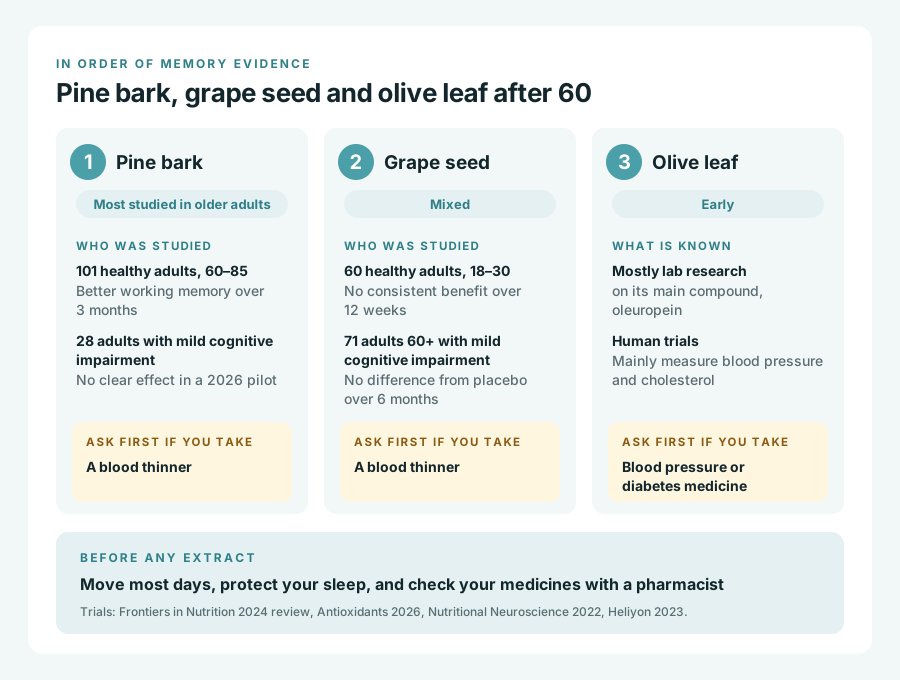
Pine bark is the one of the three with a memory trial in healthy older adults, so it comes first. What it shows depends on who was in each study.
In healthy older adults. In a three-month trial of 101 people aged 60 to 85, 150 mg a day of a French maritime pine bark extract improved measures of working memory compared with placebo. A 2024 review in Frontiers in Nutrition summarizes that trial among the extract’s placebo-controlled studies; one of the review’s authors worked for the extract’s manufacturer. Memorial Sloan Kettering puts it cautiously: the extract may enhance memory in older participants.
In a small pilot with fish oil. A 2026 pilot study in Antioxidants enrolled 28 people aged 55 to 75 with mild cognitive impairment for 24 weeks. Everyone took fish oil; half also took 100 mg of pine bark extract. Pine bark showed no clear added effect on overall cognitive scores, and the authors asked for their results to be read cautiously. That is what one small study measured, in one group.
Across conditions. A 2020 Cochrane review of 27 trials of pine bark extract for chronic health problems concluded that small sample sizes and poor reporting meant no definitive conclusions about its efficacy or safety were possible.
What Do Grape Seed Studies Show For Memory?
Grape seed has more memory trials than olive leaf, but they point in different directions.
- Healthy younger adults. In a trial of 60 adults aged 18 to 30, published in Nutritional Neuroscience, 400 mg a day of a grape seed polyphenol extract did not consistently improve cognitive function over 12 weeks.
- Adults 60 and older with mild cognitive impairment. In a 2023 trial in Heliyon, 71 people took 320 mg a day of grape seed procyanidins or a placebo for six months. Scores rose in both groups, with no significant difference between them.
- Healthy older adults, a different grape product. A 2024 trial in Foods gave 96 healthy older adults 250 mg a day of a standardized grape juice extract — not seed — and reported improvements in memory and attention over 84 days. One of its authors works for the extract’s maker.
The NIH’s complementary health center notes that grape seed extract is best studied for cholesterol and blood pressure, and that not much is known about its effects on other conditions.
What Do Olive Leaf Studies Show For Memory?
Olive leaf is the earliest of the three for memory. Research on oleuropein and the brain is largely mechanistic, and the 2025 Nutrients review describes the clinical studies as limited. Olive leaf’s human trials mostly measure heart-health markers such as blood pressure and cholesterol, as a 2022 meta-analysis of 12 trials in adults shows.
The only memory trial we found, published in Neurology International in 2024, enrolled 55 people already diagnosed with a memory disorder and compared an olive leaf drink plus diet advice with diet advice alone, without a placebo. It asks a different question from everyday memory after 60, and it tells us little about that.
What this means in practice
Put side by side, the three answer different questions. If you are healthy and over 60, pine bark is the one with a trial in people like you — a single, three-month trial of 101 people, which is encouraging rather than settled. Grape seed has not shown a consistent memory benefit in the trials so far, and the positive result in healthy older adults came from a grape juice extract. For olive leaf, we found no trial on everyday memory.
For all three, the trials used specific extracts at specific amounts, taken for weeks or months. That is worth remembering when you read any label that lists them.
Who Should Check Before Starting?
Reference sources flag these extracts, and some of the ingredients sold alongside them, for common medicines. Take the label to your pharmacist if any of these apply. The ingredients named here appear in the two formulas below.
- You take a blood thinner or an antiplatelet medicine. Memorial Sloan Kettering notes pine bark extract can inhibit platelet clumping and may increase bleeding risk with these drugs, and that grape seed extract may increase bleeding risk with warfarin. The NIH’s complementary health center says ginkgo may increase bleeding risk with anticoagulants such as warfarin.
- You take blood pressure medicine. Memorial Sloan Kettering notes olive leaf extract added to the blood-pressure-lowering effect of medicine in lab experiments, with clinical relevance not yet determined. The NIH’s complementary health center notes green tea at high doses can lower blood levels of nadolol, a beta blocker.
- You take diabetes medicine. Memorial Sloan Kettering notes olive leaf lowered blood sugar in lab experiments, and the NIH’s complementary health center says herbal supplements such as cinnamon can cause unwanted side effects with conventional diabetes drugs.
- You take a statin or thyroid hormone. The NIH’s complementary health center notes green tea extract can lower blood levels of atorvastatin, and a StatPearls review notes bacopa taken with thyroid hormone may lead to too much thyroid hormone.
If you take several medicines, our checklist for people on several medicines shows what to bring. Never stop, reduce or change a prescription to make room for a supplement.
What Should You Look For Before You Buy?
If you have decided a formula is worth trying, these are the things to confirm before you order.
- The exact extract named on the label. French maritime pine bark, grape seed extract and olive leaf extract are different products, and a grape juice extract is not grape seed.
- An amount for each extract. The trials used specific amounts, so a printed amount lets your pharmacist read the label against them.
- A clear answer on your medicines. Especially if you take a blood thinner, blood pressure medicine or diabetes medicine.
- A routine and a guarantee that fit several months. The pine bark trial in older adults ran for three months.
Which Formulas Contain These Extracts?
If you would like one of these extracts as part of a formula, and your pharmacist has looked at your medicines, two on this site contain them.
Neuro Serge is a capsule blend that names olive leaf and grape seed, with cassia cinnamon, licorice, green tea and bilberry. Its comparison page sets it beside single-ingredient bottles. Pineal Guardian X is a liquid dropper that names French maritime pine bark alongside lion’s mane, bacopa and ginkgo. Neither publishes the amount of each ingredient, so neither can be lined up against the doses in the trials above; the full reviews explain each label.
Two formulas worth a closer look
Two formulas with these plant extracts
If you want these extracts in a daily formula, these two contain them — each with a money-back guarantee.
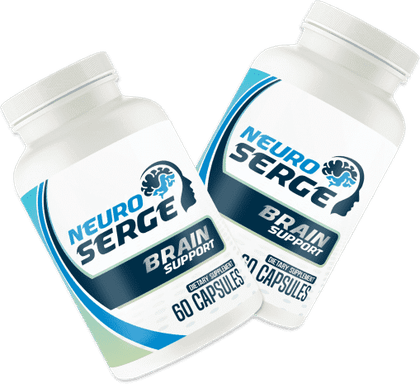
Neuro Serge
Capsules
A stimulant-free capsule blend naming olive leaf and grape seed, with cassia cinnamon, licorice, green tea and bilberry — four of its six named ingredients have human trials that measured cognition.
- Readers who want a blend rather than one compound
- Anyone who wants a long refund window
Covered by a 180-day money-back guarantee
Before you start · Cassia cinnamon matters with diabetes medicine; grape seed and green tea with a blood thinner.
See Neuro Serge on the official siteRead our Neuro Serge review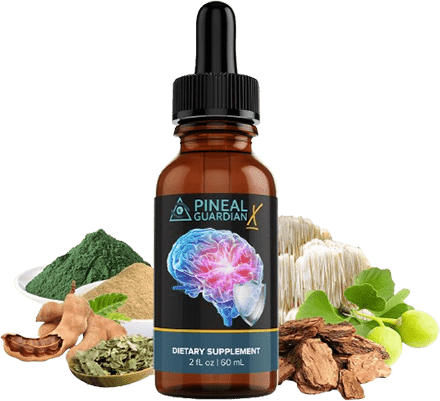
Pineal Guardian X
Drops
A liquid dropper, useful if capsules are difficult, naming French maritime pine bark with lion’s mane, bacopa and ginkgo.
- Readers who find capsules difficult
- Anyone who wants a full year to decide
Covered by a 365-day money-back guarantee
Before you start · Pine bark and ginkgo matter with a blood thinner, and bacopa with thyroid medicine.
See Pineal Guardian X on the official siteRead our Pineal Guardian X reviewListed in no particular order. We publish no scores or rankings.
When Should You See A Doctor?
See your doctor, rather than starting an extract, if your memory has been getting worse month over month, if people close to you have noticed, or if it started suddenly. The National Institute on Aging notes that finding the cause of memory problems is what determines the best course of action.
Ready to compare? Go back to the two formulas above, or read the full reviews of Neuro Serge and Pineal Guardian X.
Frequently asked
Is the MIND diet better than a memory supplement?
We found no trial that compares the two directly. In a three-year trial of 604 older adults, published in 2023, thinking scores rose on the MIND diet and on a control diet with mild calorie cutting, with no significant difference between them. The National Institute on Aging describes the evidence for the diet as mixed. Eating well and a supplement are separate decisions.
Are blueberries as good as a memory supplement?
No trial we found tests one against the other. Berry trials in older adults used frozen blueberries, concentrate, drinks, powders and capsules. A 2025 analysis of 9 trials in 513 older adults with mild cognitive impairment or self-noticed memory changes found better episodic memory with blueberry, and no difference in processing speed or working memory.
Do supplements for brain inflammation help brain fog?
We found no trial that tested an anti-inflammatory supplement on brain fog itself. Most of these claims rest on lab experiments or on blood markers of inflammation, such as TNF-alpha, which are not memory tests. This site does not rank supplements; if you try one, check the exact extract and your medicines first.
Does green tea extract help brain fog?
It has not been tested on brain fog as such. In a 12-month trial of 99 older adults with memory complaints or mild cognitive impairment, 2 g of matcha powder a day did not change the main thinking scores, and improved how well people read facial emotions. Green tea extract can interact with some medicines, so ask your pharmacist.
Does pine bark extract help memory?
In healthy older adults there is encouraging but limited evidence. A three-month trial in 101 people aged 60 to 85 found better working memory on a French maritime pine bark extract than on placebo, and Memorial Sloan Kettering notes it may enhance memory in older participants. A 2026 pilot in people with mild cognitive impairment found no clear effect. Trials are few and small.
Does grape seed extract help with memory?
The results are mixed. A 12-week trial in healthy adults aged 18 to 30 found no consistent benefit, and a 6-month trial in adults 60 and older with mild cognitive impairment found no significant difference from placebo. A 2024 trial of a grape juice extract, a different product from seed extract, reported memory improvements in healthy older adults.
Is olive leaf extract good for the brain?
It is too early to say. Research on its main compound, oleuropein, and the brain is largely lab-based, and olive leaf’s human trials mostly measure blood pressure and cholesterol. The only memory trial we found was small, had no placebo group, and was run in people already diagnosed with a memory disorder.
Can you take pine bark extract every day?
The trials gave it every day, for limited periods: a 2024 review of 39 placebo-controlled trials covers use for two weeks to six months, and the memory trial in older adults used 150 mg a day for three months. A 2020 Cochrane review of 27 trials found that most comparisons did not report serious adverse events at all, and concluded that no definitive conclusions about safety were possible. Memorial Sloan Kettering notes pine bark extract may increase bleeding risk with blood thinners such as warfarin, so ask your doctor first if you take one or are pregnant; the section on who should check before starting lists the other medicines.
Can I take pine bark or grape seed with a blood thinner?
Ask your doctor or pharmacist first. Memorial Sloan Kettering advises talking with your health care provider if you take a blood thinner such as warfarin, because pine bark extract and grape seed extract may each increase the risk of bleeding. Never stop or change a blood thinner to make room for a supplement.
Can olive leaf interact with blood pressure or diabetes medicine?
Possibly, so mention it. Memorial Sloan Kettering notes that in lab experiments olive leaf extract added to the effect of blood pressure medicine and lowered blood sugar, with clinical relevance not yet determined. Take the label to your pharmacist before you start.
References
- What Do We Know About Diet and Prevention of Alzheimer’s Disease? — National Institute on Aging — 2023
- Trial of the MIND Diet for Prevention of Cognitive Decline in Older Persons — New England Journal of Medicine — 2023
- Effect of berry-based supplements and foods on cognitive function: a systematic review — Scientific Reports — 2022
- Blueberries for brainpower: A systematic review and meta-analysis with Bayesian post hoc analysis of RCTs exploring cognitive function in the elderly with prior cognitive decline — Biogerontology — 2025
- Metabolic and inflammatory effects of oleuropein and olive leaf extract: a systematic review and meta-analysis — Food & Function — 2026
- A GRADE-assessed systematic review and meta-analysis of randomized controlled trials evaluating the effects of olive leaf or olive pomace supplementation on cardiometabolic and anthropometric health markers — Nutrition, Metabolism and Cardiovascular Diseases — 2026
- Effect of matcha green tea on cognitive functions and sleep quality in older adults with cognitive decline: A randomized controlled study over 12 months — PLOS ONE — 2024
- Pycnogenol® French maritime pine bark extract in randomized, double-blind, placebo-controlled human clinical studies — Frontiers in Nutrition — 2024
- Combined Fish Oil and Pine Bark Extract Supplementation Improves Short-Term Memory and the Antioxidant Status in Middle-Aged and Older Adults with Mild Cognitive Impairment: A Randomized Double-Blind, Parallel-Group Pilot Study — Antioxidants — 2026
- Pine bark (Pinus spp.) extract for treating chronic disorders — Cochrane Database of Systematic Reviews — 2020
- Pine Bark Extract — Memorial Sloan Kettering Cancer Center, About Herbs — 2023
- Grape seed polyphenol extract and cognitive function in healthy young adults: a randomised, placebo-controlled, parallel-groups acute-on-chronic trial — Nutritional Neuroscience — 2022
- The effect of grape seed procyanidins extract on cognitive function in elderly people with mild cognitive impairment: A randomized, double-blind, placebo-controlled clinical trial — Heliyon — 2023
- Standardized Grape (Vitis vinifera L.) Extract Improves Short- and Long-Term Cognitive Performances in Healthy Older Adults: A Randomized, Double-Blind, and Placebo-Controlled Trial — Foods — 2024
- Grape Seed Extract — NIH National Center for Complementary and Integrative Health — 2025
- Grape Seed — Memorial Sloan Kettering Cancer Center, About Herbs — 2022
- Olive Leaf — Memorial Sloan Kettering Cancer Center, About Herbs — 2023
- The effects of olive leaf extract on cardiovascular risk factors in the general adult population: a systematic review and meta-analysis of randomized controlled trials — Diabetology & Metabolic Syndrome — 2022
- The Role of Greek Olive Leaf Extract in Patients with Mild Alzheimer's Disease (the GOLDEN Study): A Randomized Controlled Clinical Trial — Neurology International — 2024
- Mediterranean Diet, Polyphenols, and Neuroprotection: Mechanistic Insights into Resveratrol and Oleuropein — Nutrients — 2025
- Benefits of Physical Activity — Centers for Disease Control and Prevention — 2025
- Older Adult Activity: An Overview — Centers for Disease Control and Prevention — 2025
- Sleep and Older Adults — National Institute on Aging — 2025
- Memory Problems, Forgetfulness, and Aging — National Institute on Aging — 2023
- Ginkgo — NIH National Center for Complementary and Integrative Health — 2025
- Green Tea — NIH National Center for Complementary and Integrative Health — 2025
- Diabetes and Dietary Supplements: What You Need To Know — NIH National Center for Complementary and Integrative Health — 2023
- Bacopa monnieri — StatPearls, NCBI Bookshelf — 2023
Disclosure
All content is for informational purposes only and is not a substitute for professional medical advice, diagnosis, or treatment. Each product covered is a dietary supplement, not a prescription drug, and statements about it have not been evaluated by the U.S. Food and Drug Administration. Results vary with individual health status, consistency of use, and lifestyle. This page contains affiliate links — if you buy through them we may earn a small commission at no additional cost to you. Read our disclosure and our editorial policy.