
Taking Levothyroxine? What to Check on a Memory Supplement Label: Minerals, Herbs, Kelp and Timing
The thyroid tablet is the one you take first, on an empty stomach, every morning. A memory supplement can meet it in a few specific ways — and each of them is printed, or missing, on the label.
Quick answer
If you take levothyroxine, check a memory supplement’s label for minerals such as calcium and iron, which the levothyroxine label says to keep 4 hours apart; herbs such as bacopa and ashwagandha; kelp or iodine; fiber; and biotin, which can skew thyroid blood tests. Show the label to your doctor or pharmacist before starting. If you want to try one, two formulas that list no bacopa or minerals among their named ingredients are compared below.
The routine has been the same for years. The small tablet first thing, with water, then the wait before coffee and breakfast. You could do it in your sleep, and some mornings you nearly do.
What has changed is the rest of the day. The name that will not come, the list you have to write now. You have started looking at memory supplements, and one question keeps coming back that the front of a bottle cannot answer: how does this fit with the tablet I already take?
That is what this guide is for. It walks through what to look for on a memory supplement label when you take levothyroxine, with the source behind each point, so you can take a clear list to your pharmacist. If you take several other medicines as well, our checklist for people on several medicines covers the wider picture.
Further down, we look at two formulas that list no bacopa or minerals among their named ingredients: Phytomem One and Neuro Serge — each with a money-back guarantee.
How Far Apart Should Levothyroxine And Supplements Be?
The FDA-approved label for levothyroxine (sold as Synthroid and other names) puts at least 4 hours between it and iron or calcium supplements. Its ground rules are the reason the supplement label matters.
- Empty stomach. The label says to take it as a single daily dose on an empty stomach, half an hour to an hour before breakfast.
- Four hours from certain products. The label says to take it at least 4 hours before or after drugs known to interfere with its absorption, and instructs patients not to take it within 4 hours of iron supplements, calcium supplements or antacids.
- Some foods too. The label notes that soybean flour, cottonseed meal, walnuts and dietary fiber may bind levothyroxine and decrease its absorption, and that grapefruit juice may delay it.
The label explains the reason: products that bind levothyroxine may reduce how well it works by delaying or preventing its absorption. And your dose was set with blood tests. The National Institute of Diabetes and Digestive and Kidney Diseases explains that doctors check a blood test about 6 to 8 weeks after starting, adjust the dose if needed, and — once the dose is working — usually repeat the test at 6 months and then once a year.
So the time you take your tablet is your doctor’s decision, and it stays where it is. The supplement is what fits around it, and your pharmacist can tell you how.
What Should You Look For On The Supplement Label?
Five things on a memory supplement label are worth checking against levothyroxine. Take a photo of the label, or the bottle itself, and go through them with your pharmacist.
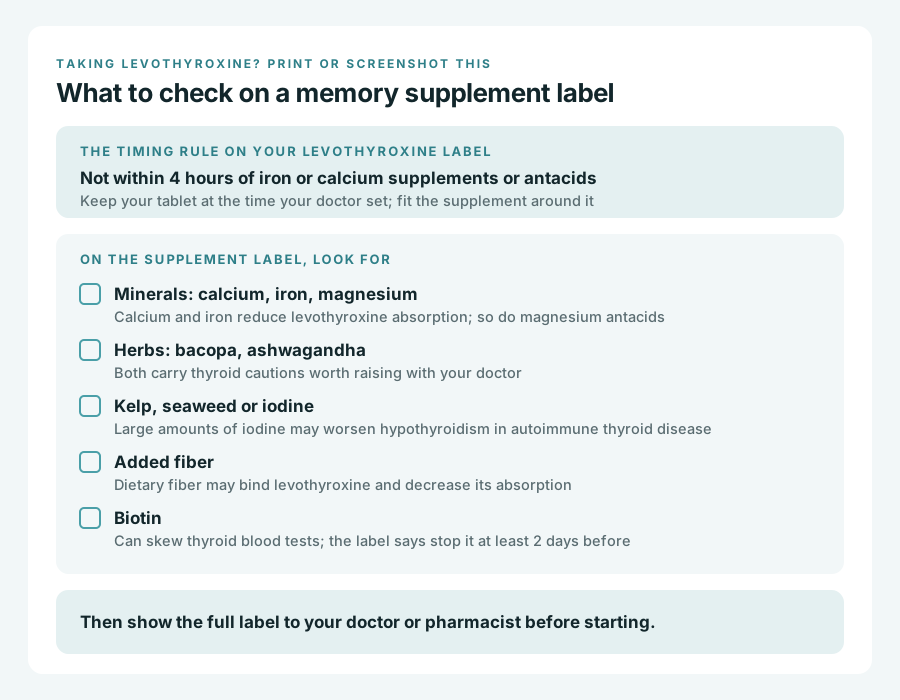
1. Minerals that bind levothyroxine
Calcium. The NIH Office of Dietary Supplements notes that calcium carbonate supplements can interfere with the absorption of levothyroxine, and that the label tells patients to keep them 4 hours apart. Calcium turns up in more places than calcium bottles: the same fact sheet notes that multivitamin and mineral products commonly contain about 200 to 300 mg.
Iron. The NIH Office of Dietary Supplements says taking iron and levothyroxine at the same time can cause clinically significant reductions in how well levothyroxine works in some patients.
Magnesium. The levothyroxine label lists antacids containing aluminum and magnesium hydroxides among the products that can reduce its absorption. If a formula lists magnesium, ask your pharmacist whether the 4-hour gap should apply to it too.
2. Herbs worth naming: bacopa and ashwagandha
Bacopa. A StatPearls review notes that it increased thyroxine (T4) levels in mice by about 40%, that it should be used cautiously, or avoided, by people with a thyroid condition or who take thyroid hormone, and that taking it with thyroid hormone may result in too much thyroid hormone. The evidence behind that caution is animal research, which is exactly why it is worth mentioning to your doctor rather than deciding alone.
Ashwagandha has been studied for stress and sleep. The NIH’s complementary health center says it is not recommended for people with thyroid disorders, and that there is evidence it might interact with thyroid hormone medications.
3. Kelp, seaweed and iodine
Your thyroid uses iodine to make its hormones, so more sounds harmless. It is not that simple. The National Institute of Diabetes and Digestive and Kidney Diseases says people with Hashimoto’s disease or other autoimmune thyroid disorders may be sensitive to iodine’s harmful side effects, and that foods with large amounts of iodine — such as kelp, dulse or other seaweed — may cause or worsen hypothyroidism. It says iodine supplements can have the same effect.
The NIH Office of Dietary Supplements adds that iodine content in seaweed varies greatly, and that some supplements contain kelp. It notes that a Supplement Facts label will show whether iodine is present and at what dose — so an ingredient from seaweed with no iodine amount listed is a question to ask the maker.
4. Added fiber
The levothyroxine label names dietary fiber among the things that may bind the medicine and decrease its absorption. Fiber is good for you; on a supplement label, it is simply one more reason to ask about timing.
5. Biotin, before blood tests
The levothyroxine label says biotin supplements can interfere with thyroid blood tests and produce wrong results, and advises stopping biotin at least 2 days before a thyroid test. The NIH Office of Dietary Supplements notes that biotin appears in B-complex and some multivitamin products, so check the full label, not just the front.
Could The Fog Be Your Thyroid Itself?
It could, and that question belongs before any supplement. The National Institute on Aging includes thyroid problems among the factors that can cause memory problems, and says finding the cause is what determines the best course of action.
Cleveland Clinic lists brain fog — forgetfulness or difficulty concentrating — among the possible symptoms of hypothyroidism, and notes that hypothyroidism is most common in women over 60. For people already taking thyroid medication, it advises letting the provider know if symptoms come back or persist, because the dose may need adjusting.
That does not mean your fog is your thyroid. The NIDDK points out that many symptoms of hypothyroidism, such as tiredness, are common and do not necessarily mean a thyroid problem. It means the first question for your doctor is a simple one: “When were my thyroid levels last checked?”
Selenium and vitamin B12: what the thyroid research measured
Two nutrients come up again and again next to thyroid brain fog. Here is what reference sources say about each, and what they do not.
Selenium. The NIH Office of Dietary Supplements explains that the thyroid holds more selenium than any other organ, and that selenium helps turn the T4 hormone into its active form, T3. In people with Hashimoto’s disease, some trials found that selenium lowered certain thyroid antibodies. A review of nine controlled trials found that 80 to 200 mcg a day, for 3 to 12 months, did not change TSH or quality of life, and its authors concluded the evidence does not support selenium for Hashimoto’s. In a 6-month trial of 368 healthy adults aged 60 to 74, selenium had no effect on thyroid function. The outcomes described are antibodies, thyroid tests and quality of life — not memory.
More selenium is not safer. The same fact sheet sets the upper limit for adults at 400 mcg a day, from food and supplements together. Too much over time causes hair loss and brittle nails, and can bring garlic breath, a metallic taste, nausea and fatigue. Selenium-only supplements typically contain 100 to 400 mcg, and a single Brazil nut holds 68 to 91 mcg. The fact sheet lists no interaction with levothyroxine. Selenium is a mineral, though, so ask your pharmacist whether the 4-hour gap should apply to it.
Vitamin B12. A 2023 meta-analysis in Frontiers in Endocrinology, pooling 64 studies with 28,597 people, found that people with hypothyroidism had lower B12 levels than healthy participants, and that about 27% of them were deficient. In autoimmune thyroid disease, such as Hashimoto’s, levels were not significantly different, though 18% were deficient.
The NIH Office of Dietary Supplements notes that B12 is checked with a blood test, and that metformin and acid-reducing medicines can lower it. It also notes that trials lasting 1 to 2 years have not shown B12 supplements improving thinking in older adults. So the useful step is not guessing. It is one more question for your doctor: “Could my B12 be checked too?”
How Do Two Labels Read Against This Checklist?
If you want to bring a specific formula to that conversation, here is how two on this site read against the five points above. Neither label is described here as suitable or unsuitable for you — that is for your doctor.
Phytomem One is a once-daily tablet with ten named ingredients, and none of them is a mineral or bacopa. Two come from seaweed: fucoxanthin, from kelp, and fucoidan, from brown seaweed. No iodine content is published. Memorial Sloan Kettering’s entry on fucoidan lists a bleeding caution with blood thinners, and no thyroid interaction. So the question to ask the maker is whether the tablet contains iodine, and how much — then take the answer to your doctor.
Neuro Serge names six botanicals — olive leaf, cassia cinnamon, licorice, green tea, grape seed and bilberry — and none of the six is a mineral or bacopa. The maker describes the blend as more than twenty plants and nutrients, and does not name the rest or publish amounts, so the full list cannot be checked against this guide from the outside. Ask the maker for it before you start.
Two formulas worth a closer look
Two labels without bacopa or added minerals
If you take levothyroxine and want a memory formula, neither of these lists bacopa or a mineral among its named ingredients — and each comes with a money-back guarantee.
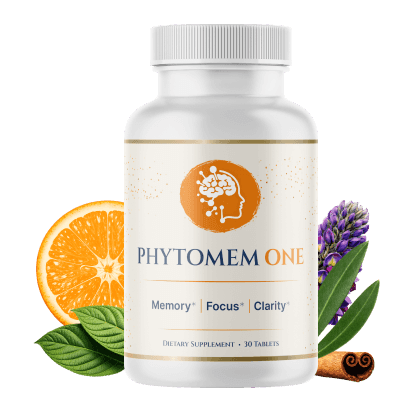
Phytomem One
Tablets
One tablet a day with food, with all ten ingredients named — and none of them a mineral or bacopa.
- Anyone who wants one tablet a day
- Readers whose doctor has mentioned blood sugar
Covered by a 60-day money-back guarantee
Before you start · Two ingredients come from seaweed, so ask the maker about iodine and time it apart from levothyroxine as your pharmacist advises.
See Phytomem One on the official siteRead our Phytomem One review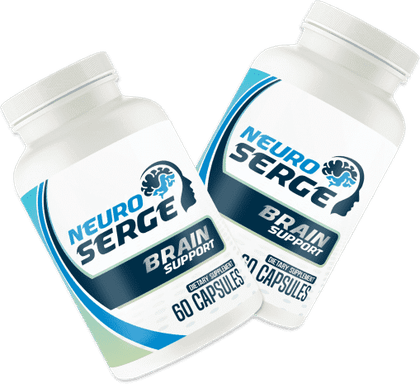
Neuro Serge
Capsules
A blend built on six named botanicals — olive leaf, cassia cinnamon, licorice, green tea, grape seed and bilberry — none of them a mineral or bacopa.
- Readers who want a blend rather than one compound
- Anyone who wants a long refund window
Covered by a 180-day money-back guarantee
Before you start · Ask your pharmacist to review the full ingredient list against your thyroid medicine.
See Neuro Serge on the official siteRead our Neuro Serge reviewListed in no particular order. We publish no scores or rankings.
When Should You See A Doctor?
Tell your doctor if memory problems or brain fog persist or come back while you take levothyroxine, rather than reaching for a supplement first. The levothyroxine label also asks patients to contact their provider about symptoms such as a rapid or irregular heartbeat, chest pain, shortness of breath, nervousness, sleeplessness, tremors or excessive sweating.
If you also take diabetes medicine or a blood thinner, those bring their own questions — the checklist linked above covers them. And whatever you decide about a supplement, keep taking your levothyroxine at the dose and time your doctor set.
Ready to compare? Go back to the two formulas above, or read the full reviews of Phytomem One and Neuro Serge.
Frequently asked
What vitamins should not be taken with thyroid medication?
For minerals, the main issue is timing. The FDA-approved levothyroxine label says iron and calcium supplements and antacids can decrease its absorption, and instructs patients not to take levothyroxine within 4 hours of them. The label also advises stopping biotin at least 2 days before thyroid blood tests. Ask your pharmacist how to fit any supplement around your tablet.
Can thyroid medication affect your memory?
An underactive thyroid itself can. Cleveland Clinic lists brain fog — forgetfulness or difficulty concentrating — among the possible symptoms of hypothyroidism, and advises people already taking thyroid medication to tell their provider if symptoms come back or persist, because the dose may need adjusting. That adjustment is always your doctor’s decision.
Can I take bacopa with levothyroxine?
Ask your doctor first. A StatPearls review notes that bacopa increased thyroid hormone (T4) levels in animal research, and that taking it with thyroid hormone may lead to too much thyroid hormone. It advises caution for people with a thyroid condition or who take thyroid medication.
Can I take lion’s mane and levothyroxine together?
Memorial Sloan Kettering’s entry on lion’s mane lists no specific drug interaction, but it also notes that herbal supplements can interact with some medicines. Show the full label to your pharmacist, since a formula may contain several ingredients, and keep the 4-hour gap for anything with calcium, iron or antacids.
Should I avoid kelp if I take thyroid medication?
Ask your doctor. The National Institute of Diabetes and Digestive and Kidney Diseases says people with Hashimoto’s disease or other autoimmune thyroid disorders may be sensitive to iodine, and that foods with large amounts of it, such as kelp, may cause or worsen hypothyroidism. It says iodine supplements can have the same effect.
Does selenium help with brain fog from hypothyroidism?
The research has not measured that. The NIH Office of Dietary Supplements describes trials in Hashimoto’s disease that looked at thyroid antibodies, thyroid tests and quality of life: some lowered antibodies, and a review of nine trials found no change in TSH or quality of life. The adult upper limit is 400 mcg a day. Ask your pharmacist how to time selenium around levothyroxine.
Should I take vitamin B12 if I have hypothyroidism?
Ask for a blood test first. A 2023 meta-analysis found lower B12 levels in people with hypothyroidism than in healthy participants, with about 27% deficient. If you are low, treating it is your doctor’s call. In older adults, the NIH Office of Dietary Supplements notes that trials have not shown B12 supplements improving thinking.
References
- SYNTHROID (levothyroxine sodium) Prescribing Information — U.S. Food and Drug Administration — 2024
- Calcium: Fact Sheet for Health Professionals — NIH Office of Dietary Supplements — 2026
- Iron: Fact Sheet for Health Professionals — NIH Office of Dietary Supplements — 2025
- Iodine: Fact Sheet for Health Professionals — NIH Office of Dietary Supplements — 2024
- Biotin: Fact Sheet for Health Professionals — NIH Office of Dietary Supplements — 2022
- Selenium: Fact Sheet for Health Professionals — NIH Office of Dietary Supplements — 2025
- Vitamin B12: Fact Sheet for Health Professionals — NIH Office of Dietary Supplements — 2025
- Vitamin B12 levels in thyroid disorders: A systematic review and meta-analysis — Frontiers in Endocrinology — 2023
- Hypothyroidism (Underactive Thyroid) — National Institute of Diabetes and Digestive and Kidney Diseases — 2021
- Hypothyroidism (Underactive Thyroid) — Cleveland Clinic — 2024
- Memory Problems, Forgetfulness, and Aging — National Institute on Aging — 2023
- Bacopa monnieri — StatPearls, NCBI Bookshelf — 2023
- Ashwagandha: Usefulness and Safety — NIH National Center for Complementary and Integrative Health — 2023
- Fucoidan — Memorial Sloan Kettering Cancer Center, About Herbs — 2026
- Lion’s Mane Mushroom — Memorial Sloan Kettering Cancer Center, About Herbs — 2024
Disclosure
All content is for informational purposes only and is not a substitute for professional medical advice, diagnosis, or treatment. Each product covered is a dietary supplement, not a prescription drug, and statements about it have not been evaluated by the U.S. Food and Drug Administration. Results vary with individual health status, consistency of use, and lifestyle. This page contains affiliate links — if you buy through them we may earn a small commission at no additional cost to you. Read our disclosure and our editorial policy.