
Supplements for Word Recall After 60: What the Studies Actually Measured, and When a Lost Word Is Worth a Doctor’s Visit
The word is right there — you can almost hear how it starts — and then the moment passes. Here is why that happens more after 60, what supplement studies really tested, and when it is worth mentioning to a doctor.
Quick answer
Bacopa trials in older adults measured recalling word lists, with mixed results; a citicoline trial improved episodic memory, but not its one verbal test. Being slower to find words is common with age. See a doctor if it is getting worse or started suddenly. If you want to try one, two formulas built on bacopa, lion’s mane and citicoline are compared below.
You are telling someone about a trip, and the word for the thing you mean simply is not there. You describe it instead, or wave a hand, and the conversation moves on. Ten minutes later, in the middle of something else, the word arrives on its own.
If that happens more often than it used to, it is natural to wonder whether a supplement could help. This guide takes the slower route: what is actually happening, what the studies behind three ingredients found in memory formulas measured, and when a lost word is worth a conversation with your doctor.
Further down, we look at two formulas built on bacopa, lion’s mane and citicoline: NeuroVera and Brain C-13 — each with a money-back guarantee.
Why Do Words Go Missing After 60?
The National Institute on Aging lists being slower to find words among the changes in thinking that are common as people get older. The same page describes a change in the other direction: many studies have shown that older adults have larger vocabularies, and a deeper knowledge of what words mean, than younger adults.
Researchers call the moment when a word you know will not come the tip-of-the-tongue state. A 2026 review in Biomedicines describes it as a temporary failure to retrieve a known word, with a strong feeling that it is about to come, and notes that it is more frequent in older adults.
The review also explains why it is different from simple forgetting. In studies of aging, older adults made more errors with the sound of a word, but not more errors with its meaning. In other words, the knowledge is still there; one explanation researchers use is that the connections leading to the word’s sound work less efficiently with age. The review notes that a cue with the first sound or syllable often brings the word back — which is why a friend’s prompt so often works.
The institute’s comparison chart lists sometimes forgetting which word to use under normal aging. That is worth keeping in mind the next time a word slips away.
Why Does A Lost Word Feel Worse At Work?
If you are still working, the moment has a sharper edge. The word disappears halfway through your point, people are waiting, and the embarrassment lasts longer than the gap did.
The research above still applies. In the tip-of-the-tongue state, the knowledge is still there; it is the route to the word that is slow. Saying what you mean in other words keeps the meeting moving, and the review notes that a cue with the first sound often brings the word back.
A working week also adds things that make any word harder to reach:
- Short sleep. The National Heart, Lung, and Blood Institute says sleep helps you pay attention and make decisions, and that people who are sleep deficient are less productive at work, take longer to finish tasks and make more mistakes. After several nights of losing even 1 to 2 hours, it says, your ability to function suffers as if you had not slept for a day or two.
- Stress. The National Institute on Aging lists depression, anxiety and stressful life events among the causes of memory problems.
- Doing several things at once. The institute notes that mild decreases in attention and trouble multitasking are common with age. When you have the floor, one task at a time is the practical answer.
None of this is a diagnosis. If word trouble at work is new, frequent or getting worse, mention it to your doctor, who can look for the cause.
How Can You Increase Word Recall Before Any Supplement?
Start by checking the everyday causes of memory trouble. The National Institute on Aging lists, among others:
- Medication side effects — worth a review with your doctor or pharmacist, never a reason to stop a medicine on your own.
- Sleep problems.
- Depression and anxiety, and stressful life events such as retiring or losing a spouse.
- Low levels of important nutrients, such as vitamin B12, and thyroid, kidney or liver problems.
- Alcohol or drug misuse.
For everyday forgetfulness, the institute suggests learning a new skill, following a daily routine, and staying involved in activities that help both the mind and the body. Its page on the aging brain adds that older adults can still improve vocabulary and language skills. If you take several medicines, our memory supplement checklist for people on several medicines explains how to raise them with your pharmacist.
What Did The Supplement Studies Actually Measure?
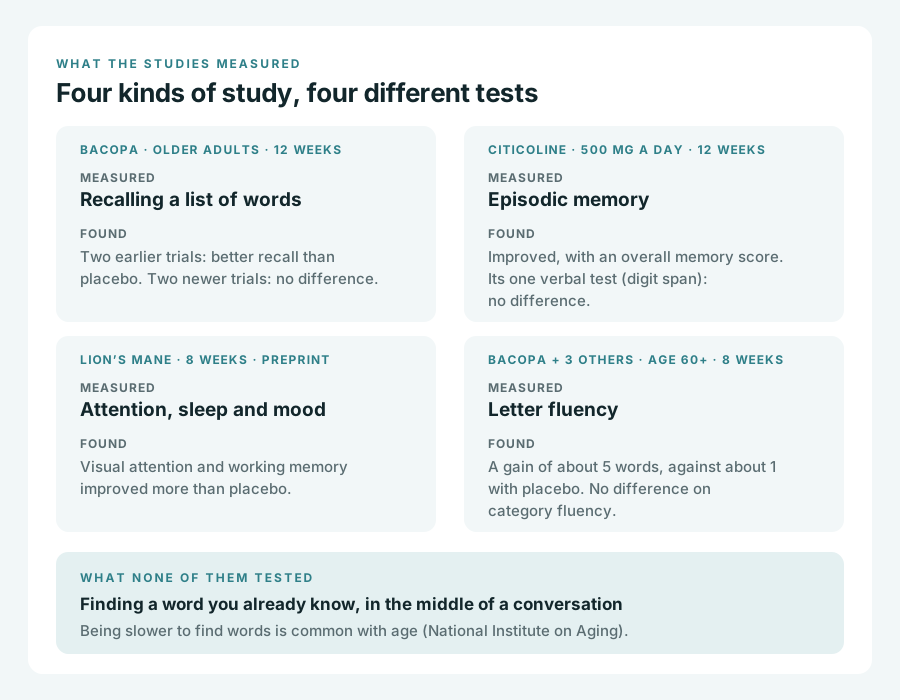
None of the studies below tested finding a word in the middle of a conversation. They tested other kinds of memory — and the difference matters when a label or an article mentions “word recall.”
Bacopa: remembering a list of words
Bacopa’s trials in older adults used word lists: people are given a list of words and asked to recall them, immediately and after a delay. Two earlier 12-week trials of 300 mg a day — in 54 healthy adults aged 65 or older and in 98 healthy adults over 55 — reported better word-list recall than placebo. Two newer trials did not: a 2021 trial in 28 adults over 55 found no better word recall, and a 2025 trial in 101 adults aged 40 to 70 found no difference in verbal learning.
That is real evidence about learning and recalling new words. It is not a test of finding a word you already know while you speak.
Citicoline: episodic memory, and one verbal test
A 2021 trial in The Journal of Nutrition gave 500 mg of citicoline a day, or a placebo, for 12 weeks to 100 healthy adults aged 50 to 85 whose scores on a spatial memory screening test fell well below the young-adult average. Citicoline improved episodic memory, measured with a paired-associates test, and an overall memory score.
The trial’s battery included one verbal task, a short-term verbal memory test (digit span), and it showed no difference from placebo. There was no word-finding or naming test. The study was sponsored by Kyowa Hakko Bio, which makes the citicoline ingredient it used.
Phosphatidylserine: memory in older adults, not word-finding
Phosphatidylserine is a fat found in cell membranes, and it appears on some memory labels. The Alzheimer’s Drug Discovery Foundation’s 2023 report describes a 2022 meta-analysis of five randomized trials in older adults with cognitive decline that found a positive effect on cognitive function, at 100 to 300 mg a day for 6 weeks to 6 months. Four of those five trials used phosphatidylserine from cow brain, a source no longer available.
The report notes that supplements sold today come from plant or marine sources. For soy-based phosphatidylserine, it says trials in older adults with memory complaints had varying results, and that the best designed of them found no effect at 300 or 600 mg a day over 12 weeks. A 3-month trial in 72 adults aged 60 to 80 with no cognitive problems reported modest gains on some memory measures, but it paired phosphatidylserine with a second ingredient, so its effect cannot be separated. The report does not describe any of these trials testing word-finding.
Lion’s mane: attention, sleep and mood
The most recent lion’s mane trial, posted in 2026 and not yet peer reviewed, measured a visual attention and working memory task, sleep and mood in adults aged 40 to 75 over 8 weeks. A smaller 12-week trial in Japan, in 31 healthy adults with an average age of about 61, included a word-pair learning test that did not improve; only a general screening score did. Neither measured finding words.
The closest thing to word fluency
One trial did measure producing words. Published in Nutrients in 2020, it gave 80 adults aged 60 or older, with no signs of cognitive problems, a daily mix of bacopa, lycopene, astaxanthin and vitamin B12, or a placebo, for 8 weeks. The mix group came up with more words on a letter-fluency test — an average gain of about 5 words, against about 1 with placebo — but not on a category-fluency test or on word-list recall. With four ingredients together, the trial cannot show which one did what, and it was funded by the drug company Menarini.
A 2025 network meta-analysis in Frontiers in Pharmacology sums up the wider picture: in healthy older adults, evidence on language rested on only four studies and was weak. And for vitamin B12, a 2021 meta-analysis of 16 trials in Nutrients found no effect of supplements on any area of cognitive function in people without an obvious deficiency or advanced neurological disorders.
Who Should Check Before Starting?
Anyone considering a label should take it, with a full list of medicines, to a doctor or pharmacist. Reference sources flag these ingredients from this article:
- Bacopa, if you take thyroid hormone medicine, have a slow heart rate, or take anticholinergic or cholinergic medicines. StatPearls notes bacopa with thyroid hormone may result in too much thyroid hormone.
- Huperzine A, if you take a cholinesterase inhibitor such as donepezil, or a heart medicine that slows the heart rate. Memorial Sloan Kettering notes it may increase side effects with similar drugs and may lower heart rate.
- Phosphatidylserine, if you take an anticholinergic medicine. Cleveland Clinic notes it may make medicines such as oxybutynin or benztropine less effective.
- Turmeric, if you take a blood thinner. Memorial Sloan Kettering notes it may increase the risk of bleeding with warfarin or other blood thinners.
Never stop, reduce or change a prescription to make room for a supplement.
What Should You Look For Before You Buy?
If you have decided a formula is worth trying, these are the things to confirm before you order.
- Ingredients whose studies measured memory in older adults. The section above shows what each study actually tested, including word-list recall.
- A published amount for each ingredient. It lets your pharmacist read the label against those studies.
- A routine you can keep for about 12 weeks. That is how long several of these trials ran.
- A guarantee that covers that time, and a clear answer on your medicines. Check the refund terms, and bring the label to your pharmacist.
Which Formulas Include These Ingredients?
If, knowing all that, you want a formula built on these ingredients, two on this site include them. NeuroVera is a stimulant-free capsule built around bacopa and lion’s mane. Brain C-13, from Zenith Labs, publishes a Supplement Facts panel listing citicoline and bacopa with amounts, alongside four other ingredients, while its sales page names saffron and huperzine A. The full reviews explain what each label shows.
Two formulas worth a closer look
Two formulas built on the ingredients studied here
If you want to try these ingredients in a formula, these two are built on bacopa, lion’s mane and citicoline — each with a money-back guarantee.
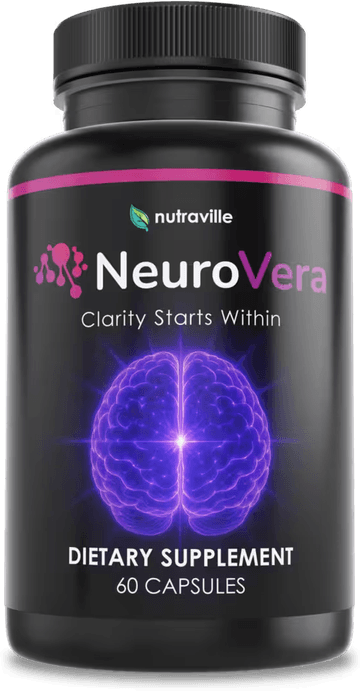
NeuroVera
Capsules
Bacopa and lion’s mane at its core, with gotu kola, schisandra and shilajit alongside, in a stimulant-free capsule. The bottle holds 60 capsules at two a day, so it lasts 30 days.
- Readers who prefer a stimulant-free capsule
- Anyone who wants to try one bottle first
Covered by a 365-day money-back guarantee
Before you start · Mention bacopa if you take thyroid medicine or a sedative.
See NeuroVera on the official siteRead our NeuroVera review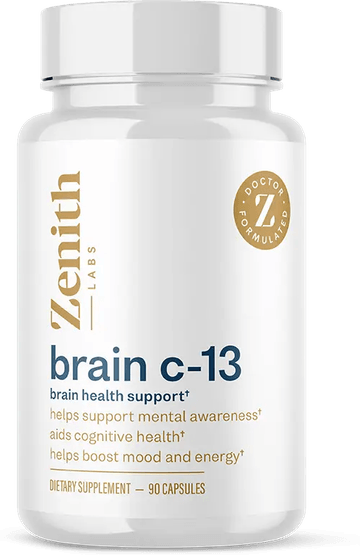
Brain C-13
Capsules
From Zenith Labs, a named company, with a published Supplement Facts panel listing citicoline and bacopa with amounts, plus rhodiola, phosphatidylserine, turmeric and rosemary.
- Readers who want to see amounts on the label
- Anyone who wants citicoline and bacopa together
Covered by a 180-day money-back guarantee
Before you start · Huperzine A, named on the sales page, matters with cholinesterase inhibitors and heart-rate medicines; turmeric with a blood thinner.
See Brain C-13 on the official siteRead our Brain C-13 reviewListed in no particular order. We publish no scores or rankings.
When Should You See A Doctor?
Talk with a doctor if you notice changes in your memory, and especially, as the National Institute on Aging suggests, if you find yourself asking the same questions over and over, getting lost in places you know well, having trouble following recipes or directions, or becoming more confused about time, people and places. It is also worth mentioning if word trouble began around the time a medicine was started or changed.
Trouble with words that comes on suddenly is different. The CDC lists sudden confusion, trouble speaking or difficulty understanding speech among the signs of stroke — call 9-1-1 right away if you or someone else has them.
Ready to compare? Go back to the two formulas above, or read the full reviews of NeuroVera and Brain C-13.
Frequently asked
Is it normal to forget words in your 60s?
Being slower to find words is one of the changes in thinking the National Institute on Aging describes as common with age, and its comparison chart lists sometimes forgetting which word to use as typical of normal aging. Older adults also tend to have larger vocabularies than younger adults. Talk with a doctor if you notice changes that are getting worse.
Why do I keep forgetting what I’m talking about mid-sentence?
Many things can play a part. The National Institute on Aging notes that mild decreases in attention and trouble multitasking are common with age, and lists sleep problems, stress, depression and anxiety, and medication side effects among the causes of memory problems. If it is new, frequent or getting worse, mention it to your doctor, who can look for the cause.
What are the best supplements for word recall?
The ingredients with the most relevant research are bacopa and citicoline. Bacopa’s trials in older adults tested recalling word lists, with mixed results. A four-ingredient mix that included bacopa improved a letter-fluency test in one 8-week trial. Citicoline improved an episodic memory test, but not the one verbal test in its trial. Ask your doctor before starting any of them.
Can vitamin B12 help with finding words?
If you are low in B12, treating that is a matter for your doctor, and the National Institute on Aging lists low B12 among the causes of memory problems. In people without an obvious deficiency, a 2021 meta-analysis of 16 trials found no effect of B12 supplements on any area of cognitive function. The NIH Office of Dietary Supplements notes that metformin and acid-reducing medicines can lower B12 over time.
Can medicines cause trouble finding words?
Medicines can affect memory and thinking in general. The National Institute on Aging lists medication side effects among the causes of memory problems, and the American Geriatrics Society’s 2023 Beers Criteria flag first-generation antihistamines such as diphenhydramine for confusion, and benzodiazepines for cognitive impairment in older adults. Ask your doctor to review your medicines, and never stop one on your own.
Does phosphatidylserine help with forgetting words?
No trial described here tested finding words. A 2022 meta-analysis found a positive effect on cognitive function in older adults with cognitive decline, but four of its five trials used phosphatidylserine from cow brain, which is no longer available. The best designed trial of the soy-based kind found no effect over 12 weeks. Cleveland Clinic notes it may make anticholinergic medicines less effective.
Does huperzine A help with word finding?
None of the studies in this guide tested it. Memorial Sloan Kettering says huperzine A may help improve memory, but studies are limited with mixed results, and larger well-designed studies are needed. It advises against combining it with cholinesterase inhibitors such as donepezil, and notes it may lower heart rate with some heart medicines. Ask your doctor before trying it.
References
- How the Aging Brain Affects Thinking — National Institute on Aging — 2023
- Memory Problems, Forgetfulness, and Aging — National Institute on Aging — 2023
- The Tip-of-the-Tongue Phenomenon: Cognitive, Neural, and Neurochemical Perspectives — Biomedicines — 2026
- Bacopa monnieri — StatPearls, NCBI Bookshelf — 2023
- The Neurocognitive Effects of Bacopa monnieri and Cognitive Training on Markers of Brain Microstructure in Healthy Older Adults — Frontiers in Aging Neuroscience — 2021
- The Effects of a Bacopa monnieri Extract (Bacumen®) on Cognition, Stress, and Fatigue in Healthy Adults: A Randomized, Double-Blind, Placebo-Controlled Trial — Clinical Drug Investigation — 2025
- Citicoline and Memory Function in Healthy Older Adults: A Randomized, Double-Blind, Placebo-Controlled Clinical Trial — The Journal of Nutrition — 2021
- A randomized, double blind, placebo controlled study evaluating the impact of Hericium erinaceus (Lions Mane) on cognitive performance and subjective wellbeing — medRxiv (preprint, not peer reviewed) — 2026
- Benefits, side effects, and uses of Hericium erinaceus as a supplement: a systematic review — Frontiers in Nutrition — 2025
- Improvement of Executive Function after Short-Term Administration of an Antioxidants Mix Containing Bacopa, Lycopene, Astaxanthin and Vitamin B12: The BLAtwelve Study — Nutrients — 2020
- The effect of plant active substances on cognitive function in healthy older adults: a systematic review and network meta-analysis of randomized controlled trials — Frontiers in Pharmacology — 2025
- Effects of Vitamin B12 Supplementation on Cognitive Function, Depressive Symptoms, and Fatigue: A Systematic Review, Meta-Analysis, and Meta-Regression — Nutrients — 2021
- Vitamin B12: Fact Sheet for Health Professionals — NIH Office of Dietary Supplements — 2025
- American Geriatrics Society 2023 Updated AGS Beers Criteria for Potentially Inappropriate Medication Use in Older Adults — Journal of the American Geriatrics Society — 2023
- Phosphatidylserine — Cognitive Vitality Reports, Alzheimer’s Drug Discovery Foundation — 2023
- Phosphatidylserine — Cleveland Clinic — 2023
- Sleep Deprivation and Deficiency: How Sleep Affects Your Health — National Heart, Lung, and Blood Institute — 2022
- Huperzia serrata (Huperzine A) — Memorial Sloan Kettering Cancer Center, About Herbs — 2022
- Turmeric — Memorial Sloan Kettering Cancer Center, About Herbs — 2026
- Signs and Symptoms of Stroke — Centers for Disease Control and Prevention — 2026
Disclosure
All content is for informational purposes only and is not a substitute for professional medical advice, diagnosis, or treatment. Each product covered is a dietary supplement, not a prescription drug, and statements about it have not been evaluated by the U.S. Food and Drug Administration. Results vary with individual health status, consistency of use, and lifestyle. This page contains affiliate links — if you buy through them we may earn a small commission at no additional cost to you. Read our disclosure and our editorial policy.