
Brain Fog After Meals at 55+: What Blood Sugar Has to Do With It, and Where Berberine and Cinnamon Formulas Fit
The heavy, slow feeling an hour or two after lunch is common, and blood sugar is one reason worth checking. Here is what the research supports, what to try first, and where a formula can fit.
Quick answer
Blood sugar can be part of it. Low blood sugar can cause trouble concentrating, and a bigger rise after breakfast has been linked to lower alertness. After 55, the risk of prediabetes rises too. Start with a light walk after meals, vegetables and protein first, fiber and sleep — then ask your doctor about an A1C test. If you want to try one, two formulas built around blood sugar are compared below.
Lunch was nothing unusual. But by two o’clock the page you are reading has stopped going in, the sentence you started in a message trails off, and your eyelids feel heavier than the afternoon deserves.
You tell yourself it is age, or the heat, or that you did not sleep well. Sometimes it is. But if it happens after meals, again and again, there is one more explanation worth ruling in or out — and it is one your doctor can actually measure.
Further down, we look at two formulas built around blood sugar: MemoVolt and Neuro Serge — each with a money-back guarantee.
Why Do I Get Brain Fog After I Eat?
After you eat, your blood sugar rises and then comes back down. For most people that happens quietly. For some, the swing is sharper, and they notice it in how clear they feel.
A dip can come a few hours later. Cleveland Clinic describes reactive hypoglycemia as low blood sugar after a meal that typically happens two to four hours after eating, and lists confusion or trouble concentrating among its early symptoms, along with shakiness, sweating and hunger. Researchers think it follows a sudden spike and fall after simple carbohydrates such as white bread, potatoes and pastries.
A big rise may matter too. In a 2022 study in Nature Communications of 833 adults aged 18 to 65, people were less alert that morning on the days their blood sugar rose more after the same standard breakfast. It is an association rather than proof of cause, and it was not a study of older adults specifically — but it points the same way.
And age changes the background. The National Institute of Diabetes and Digestive and Kidney Diseases notes that the risk of insulin resistance and prediabetes goes up as people get older, and that they usually cause no symptoms. The CDC estimates that 52.1% of adults aged 65 and older have prediabetes, and that 8 in 10 adults with prediabetes do not know it.
None of this means your afternoon fog is a blood sugar problem — plenty of things can leave an afternoon feeling slow, from a short night to the medicines you take. It means blood sugar is one cause that is common after 55, easy to check, and responsive to everyday changes.
How Do You Get Rid Of Brain Fog After Eating?
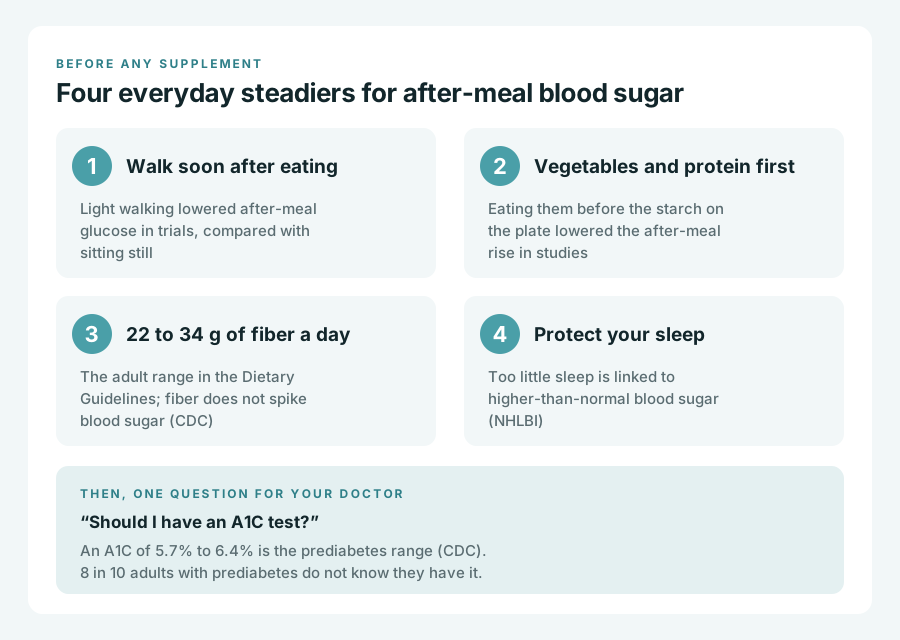
Before any supplement, four everyday steps have research behind them. They cost nothing, and they work alongside anything else you decide to do.
1. A light walk, soon after eating
A 2022 meta-analysis in Sports Medicine found that short, light walking breaks during long periods of sitting — two minutes every twenty, or five minutes every thirty — lowered blood sugar after meals compared with sitting still, and worked better than simply standing. A 2023 review in the same journal added that activity such as a 20-minute walk helps most when it comes soon after the meal, rather than later or before eating.
2. Vegetables and protein before the starch
A 2026 systematic review in Clinical Nutrition Research found that eating vegetables, fruit or protein-rich food before carbohydrate-rich food reduced the rise in blood sugar after the meal. Those studies were in younger healthy adults. In a 2023 pilot trial in adults with prediabetes, average age around 60, eating carbohydrates last was a habit people could keep up.
3. Enough fiber through the day
The CDC notes that fiber does not spike blood sugar the way other carbohydrates can, and cites the Dietary Guidelines range of 22 to 34 grams a day for adults, depending on age and sex.
4. Enough sleep
The National Heart, Lung, and Blood Institute notes that sleep deficiency results in higher-than-normal blood sugar — worth knowing before blaming the meal alone.
What Were Berberine, Cinnamon And Olive Leaf Studied For?
These three plant ingredients appear in formulas built around blood sugar, and their research measured blood sugar markers. Before looking at any product, it helps to be exact about what each was tested for — because none of them has been tested on everyday brain fog or memory in people like you.
Berberine has the most research of the three. A 2022 meta-analysis in Frontiers in Pharmacology pooled 37 randomised trials in adults with type 2 diabetes and found lower fasting glucose, A1C and after-meal glucose. Most of those trials were run in China, and the NIH’s National Center for Complementary and Integrative Health notes that results varied and some studies were of lower quality.
Cinnamon is less settled. The same NIH center says research does not clearly support cinnamon for any health condition, and that it is unclear whether cinnamon supplements help with diabetes. It also distinguishes two types: cassia, the most common kind sold in North America, contains coumarin, which has been linked to liver effects in sensitive people; Ceylon contains only trace amounts.
Olive leaf is studied mostly for the heart and blood vessels. A 2022 meta-analysis of randomised trials in adults found no significant change in fasting blood sugar, insulin or A1C, while Memorial Sloan Kettering notes that olive leaf lowered blood sugar in lab experiments.
So the honest picture is this: a formula built on these ingredients is aimed at blood sugar, and the link from blood sugar to how clear you feel after lunch is the reasoning — a reasonable one, but not something these ingredients have been shown to deliver directly.
What Were Low Carb, Vinegar And Chromium Measured For?
In each case the research measured blood sugar, not brain fog, though all three come up whenever people search for a fix.
Eating fewer carbohydrates
The American Diabetes Association’s 2026 Standards suggest that some adults with diabetes consider eating fewer carbohydrates to improve blood sugar, and name limiting processed foods as an effective way to do it. Lower-carbohydrate eating lowered A1C in the short term, under six months, with less difference after a year. The Standards add that there is no ideal share of calories from carbohydrate, so the plan should fit the person.
If you take insulin or other diabetes medicine, talk to your doctor before cutting carbohydrates sharply. The same Standards note that medicines may need adjusting on a very-low-carbohydrate plan, to prevent low blood sugar — a decision for the person who prescribes them.
Vinegar before a meal
A 2026 umbrella review in Food Science & Nutrition pooled ten meta-analyses covering 38 studies and found that vinegar was linked to lower blood sugar after meals, with moderate certainty. None of the outcomes it pooled was alertness or fog. The authors advise caution about stomach irritation, damage to tooth enamel and reflux, and for people with kidney disease or on medicines that affect blood sugar or potassium.
Chromium
The NIH Office of Dietary Supplements explains that chromium might help insulin work. A 2019 review of 58 trials, which it summarizes, found that chromium lowered fasting blood sugar and A1C slightly in people with diabetes, and that the clinical significance is unclear; another review found it does not help blood sugar in healthy people. The office also notes that chromium might add to the effect of metformin, insulin or other diabetes medicines and raise the risk of low blood sugar, and that people with kidney or liver disease might be more sensitive to high intakes.
The energy crash after lunch
Cleveland Clinic describes the sleepy, slow feeling after a meal as postprandial somnolence. It usually peaks one to two hours after eating, is stronger after larger meals, and is more likely in people aged 65 and older and in people with type 2 diabetes. Your body clock also has an early-afternoon dip of its own. Some medicines can make it worse, including sedatives, sedating antihistamines and some blood pressure medicines, so it is worth mentioning to your doctor.
The steps Cleveland Clinic lists overlap with the ones above: smaller, balanced meals with protein and fiber, carbohydrates that raise blood sugar more slowly, less alcohol at lunch, a 10- to 30-minute walk after eating, and a short nap when you can. It also advises against driving while you feel sleepy after a meal. The chromium and berberine research measured blood sugar markers, not the afternoon slump itself.
Who Should Check Before Starting?
Ingredients that act on blood sugar are exactly the kind to mention to whoever manages your prescriptions. Take the bottle or a photo of the label with you.
- If you take diabetes medicine — including metformin or insulin. The NIH’s complementary health center says herbal supplements such as cinnamon can cause unwanted side effects with conventional diabetes drugs, and that berberine may interact with some medicines. Memorial Sloan Kettering lists blood sugar medicine among its cautions for olive leaf.
- If you take cyclosporine after a transplant. The same NIH center notes berberine has been shown to interact with it.
- If you take blood pressure medicine. Memorial Sloan Kettering notes olive leaf added to the blood-pressure-lowering effect in lab experiments.
- If you have liver disease. The NIH center notes that long-term use of cassia cinnamon could be an issue for sensitive people, such as those with liver disease.
Never stop, reduce or change a prescription to make room for a supplement.
Which Formulas Could Fit This Routine?
If you have started on the everyday steps and want a formula that works on the same territory, two on this site are built around it. MemoVolt centres on berberine, Ceylon cinnamon and banaba, with saffron alongside. Neuro Serge combines cassia cinnamon and olive leaf with grape seed, bilberry and green tea. Neither publishes the amount of each ingredient, which the full reviews explain.
Two formulas worth a closer look
Two formulas built around blood sugar and the brain
Once the everyday steps are in place, these two formulas work on the same territory — each with a money-back guarantee.
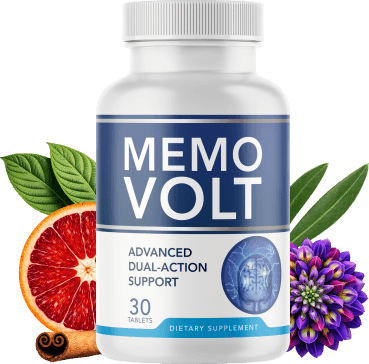
MemoVolt
Capsules
One capsule a day with food, built on berberine, Ceylon cinnamon and banaba — ingredients studied for blood sugar — plus saffron, which has human trials on cognition.
- Readers already watching their blood sugar
- Anyone who wants one capsule a day
Covered by a 60-day money-back guarantee
Before you start · Berberine and cinnamon are worth raising if you take diabetes medicine.
See MemoVolt on the official siteRead our MemoVolt review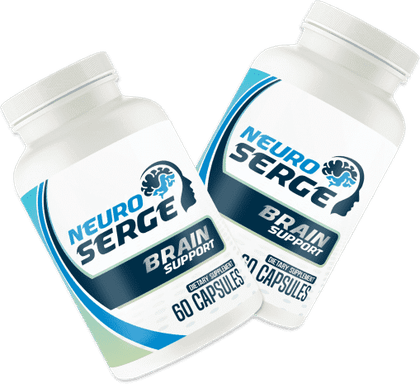
Neuro Serge
Capsules
A blend built on blood-vessel and blood-sugar botanicals: cassia cinnamon and olive leaf, with grape seed, bilberry and green tea, four of which have trials that measured cognition.
- Readers who want a blend rather than one compound
- Anyone who wants a long refund window
Covered by a 180-day money-back guarantee
Before you start · Cassia cinnamon is worth mentioning if you take diabetes medicine or have liver disease.
See Neuro Serge on the official siteRead our Neuro Serge reviewListed in no particular order. We publish no scores or rankings.
When Should You See A Doctor?
Speak to a doctor if the fog after meals keeps coming back; occasional heaviness after a big meal is common. Ask whether an A1C or fasting blood sugar test makes sense for you. The CDC lists an A1C of 5.7% to 6.4%, or a fasting blood sugar of 100 to 125 mg/dL, as the prediabetes range.
Cleveland Clinic advises seeing a provider if you have low blood sugar and do not have diabetes. Get help promptly for blurred or double vision, slurred speech, disorientation, a seizure or fainting.
Ready to compare? Go back to the two formulas above, or read the full reviews of MemoVolt and Neuro Serge.
Frequently asked
How do I get rid of brain fog after eating?
Start with the everyday steps that have been tested: a light walk soon after the meal, vegetables and protein before the starch on your plate, enough fiber through the day, and enough sleep. If the fog keeps coming back, or comes with shakiness, sweating or confusion, see your doctor rather than trying to fix it on your own.
Can blood sugar cause brain fog?
It can play a part. Cleveland Clinic lists confusion or trouble concentrating among the symptoms of low blood sugar, and reactive hypoglycemia typically happens two to four hours after eating. In a 2022 study of 833 adults, a bigger blood sugar rise after the same breakfast was linked to lower alertness that morning. That is an association, and many other things cause fog too.
Is berberine good for brain fog?
No study has tested berberine on everyday brain fog. Its human research is about blood sugar: a 2022 meta-analysis of 37 trials in adults with type 2 diabetes found lower fasting glucose and A1C. The NIH’s complementary health center notes that results varied and that berberine can interact with some medicines, so ask your doctor first.
How long after eating does a blood sugar dip happen?
Cleveland Clinic describes reactive hypoglycemia as happening typically two to four hours after eating. If you notice a pattern at that time, write down what you ate and how you felt, and take the notes to your doctor.
Can I take a berberine or cinnamon formula with diabetes medicine?
Only after asking the person who prescribes it. The NIH’s complementary health center says herbal supplements such as cinnamon can cause unwanted side effects when used with conventional diabetes drugs, and that berberine may interact with some medicines. Never change or stop a prescription to make room for a supplement.
Does apple cider vinegar help brain fog after eating?
Brain fog itself was not measured. A 2026 umbrella review of ten meta-analyses found that vinegar was linked to lower blood sugar after meals, with moderate certainty. The authors advise caution about stomach irritation, tooth enamel and reflux, and for people with kidney disease or on medicines that affect blood sugar or potassium.
Is feeling tired after eating a sign of diabetes?
Not by itself, according to Cleveland Clinic: occasional sleepiness after meals is common. If it happens often, or comes with thirst, frequent urination, blurred vision, or shakiness and sweating a few hours after eating, talk with your doctor about screening, such as an A1C test.
References
- Hypoglycemia (Low Blood Sugar) — Cleveland Clinic — 2026
- How people wake up is associated with previous night’s sleep together with physical activity and food intake — Nature Communications — 2022
- Insulin Resistance & Prediabetes — National Institute of Diabetes and Digestive and Kidney Diseases — 2025
- National Diabetes Statistics Report — Centers for Disease Control and Prevention — 2026
- Prediabetes: Could It Be You? — Centers for Disease Control and Prevention — 2026
- The Acute Effects of Interrupting Prolonged Sitting Time in Adults with Standing and Light-Intensity Walking on Biomarkers of Cardiometabolic Health in Adults: A Systematic Review and Meta-analysis — Sports Medicine — 2022
- After Dinner Rest a While, After Supper Walk a Mile? A Systematic Review with Meta-analysis on the Acute Postprandial Glycemic Response to Exercise Before and After Meal Ingestion in Healthy Subjects and Patients with Impaired Glucose Tolerance — Sports Medicine — 2023
- Effects of meal sequence intervention on blood glucose response in healthy adults: a systematic review — Clinical Nutrition Research — 2026
- A Randomized Controlled Pilot Study of the Food Order Behavioral Intervention in Prediabetes — Nutrients — 2023
- Fiber: The Carb That Helps You Manage Diabetes — Centers for Disease Control and Prevention — 2024
- Sleep Deprivation and Deficiency: How Sleep Affects Your Health — National Heart, Lung, and Blood Institute — 2022
- Glucose-lowering effect of berberine on type 2 diabetes: A systematic review and meta-analysis — Frontiers in Pharmacology — 2022
- Diabetes and Dietary Supplements: What You Need To Know — NIH National Center for Complementary and Integrative Health — 2023
- Cinnamon — NIH National Center for Complementary and Integrative Health — 2024
- The effects of olive leaf extract on cardiovascular risk factors in the general adult population: a systematic review and meta-analysis of randomized controlled trials — Diabetology & Metabolic Syndrome — 2022
- Olive Leaf — Memorial Sloan Kettering Cancer Center, About Herbs — 2023
- Diabetes Testing — Centers for Disease Control and Prevention — 2024
- 5. Facilitating Positive Health Behaviors and Well-being to Improve Health Outcomes: Standards of Care in Diabetes—2026 — Diabetes Care — 2026
- Vinegar Consumption and Health: An Umbrella Review of Meta-Analyses of Randomized Controlled Trials — Food Science & Nutrition — 2026
- Chromium: Fact Sheet for Health Professionals — NIH Office of Dietary Supplements — 2022
- Food Coma (Postprandial Somnolence) — Cleveland Clinic — 2025
Disclosure
All content is for informational purposes only and is not a substitute for professional medical advice, diagnosis, or treatment. Each product covered is a dietary supplement, not a prescription drug, and statements about it have not been evaluated by the U.S. Food and Drug Administration. Results vary with individual health status, consistency of use, and lifestyle. This page contains affiliate links — if you buy through them we may earn a small commission at no additional cost to you. Read our disclosure and our editorial policy.